 John Patrick Portrait & Film
GearEquipment list4 cinema cameras · 3 lens sets · audio · light
Cinema cameras (4)
- Panasonic Lumix S1II: same sensor as the new Lumix SHX1 cinema camera (6K, 24.1MP partially stacked full frame). 5.8K ProRes RAW.
- Panasonic Lumix S5: same sensor family as the S1H. Very small, excellent video and photo.
- Blackmagic Cinema Camera 6K: same sensor as the Blackmagic PYXIS 6K, with a built-in OLPF.
- Blackmagic Pocket Cinema Camera 4K: re-bought for its ease of use and image.
Recording & focus
- Blackmagic Video Assist (BRAW recording for the S1II and S5)
- Atomos Shinobi II monitor
- DJI LiDAR autofocus kit
- DJI RS 3 Mini gimbal
- Full set of ND filters
Power & storage
- 2 V-mount batteries, plus assorted camera batteries
- 2 × 1TB CFexpress cards, 1 × 256GB V90 SD card
- 4TB, 2TB and 1TB SSDs
Audio
- Sennheiser MKE 600 shotgun microphone
- Blimp windshield with shock mount
- 9.8 ft carbon fiber boom pole
- 50 ft XLR cables
Lighting
- Portable 150W V-mount powered light, usable anywhere
- 48-inch softbox and Fresnel adapter (Fresnel used for about half the lit scenes in Hairpin)
Anamorphic set (T2.9)
- Desqueezed full-frame equivalents of 22, 31, 47, 63, 85 and 135mm
L-mount autofocus zooms
- 20–60mm f/3.5–5.6
- 28–45mm f/1.8
- 35–150mm f/2–2.8
Autofocus coverage from 20 to 150mm, with two fast low-light zooms.
Vintage: full Canon New FD set
- 20, 24, 28, 35mm
- 50mm f/1.2, 85mm f/1.8
- 100mm macro, 135mm
- 70–210mm and 35–50mm zooms
- Helios 58mm
All of these cover full frame and render with a soft, cinematic character.
What Project Hairpin is
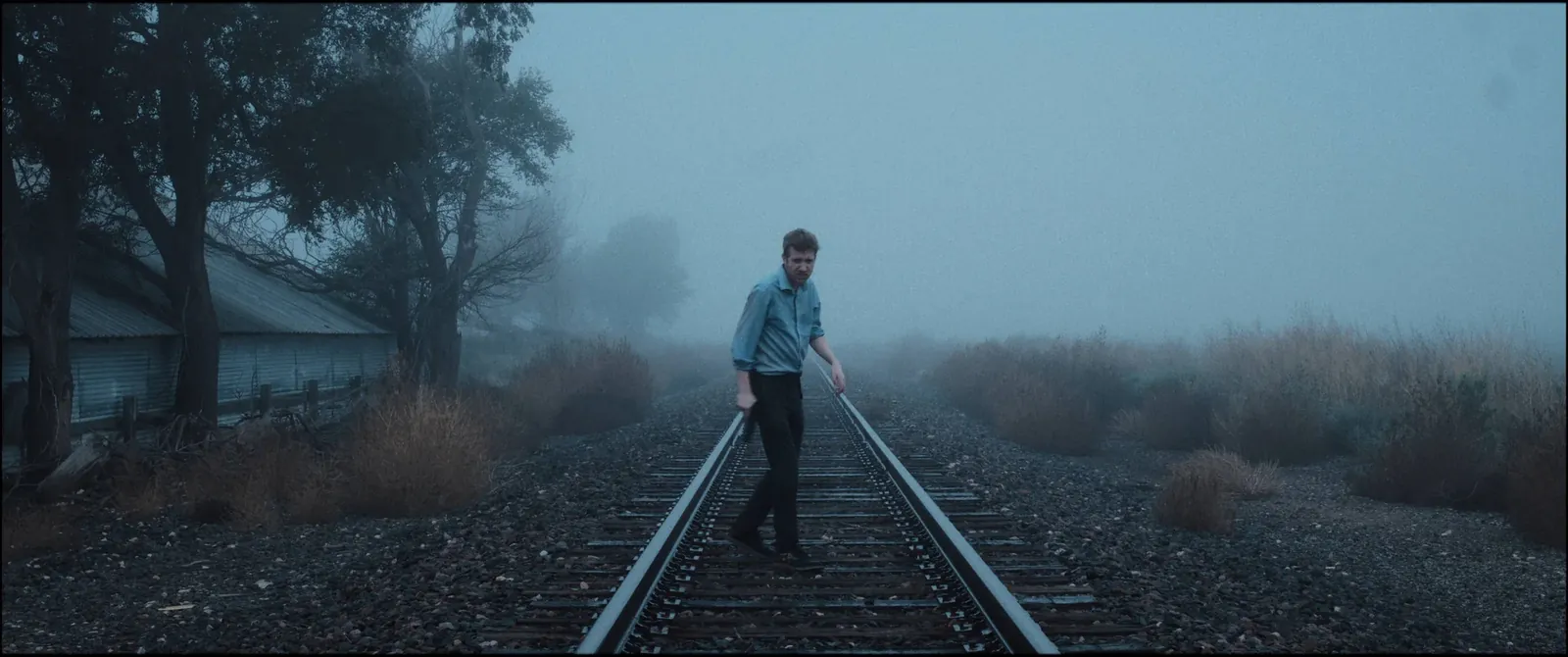
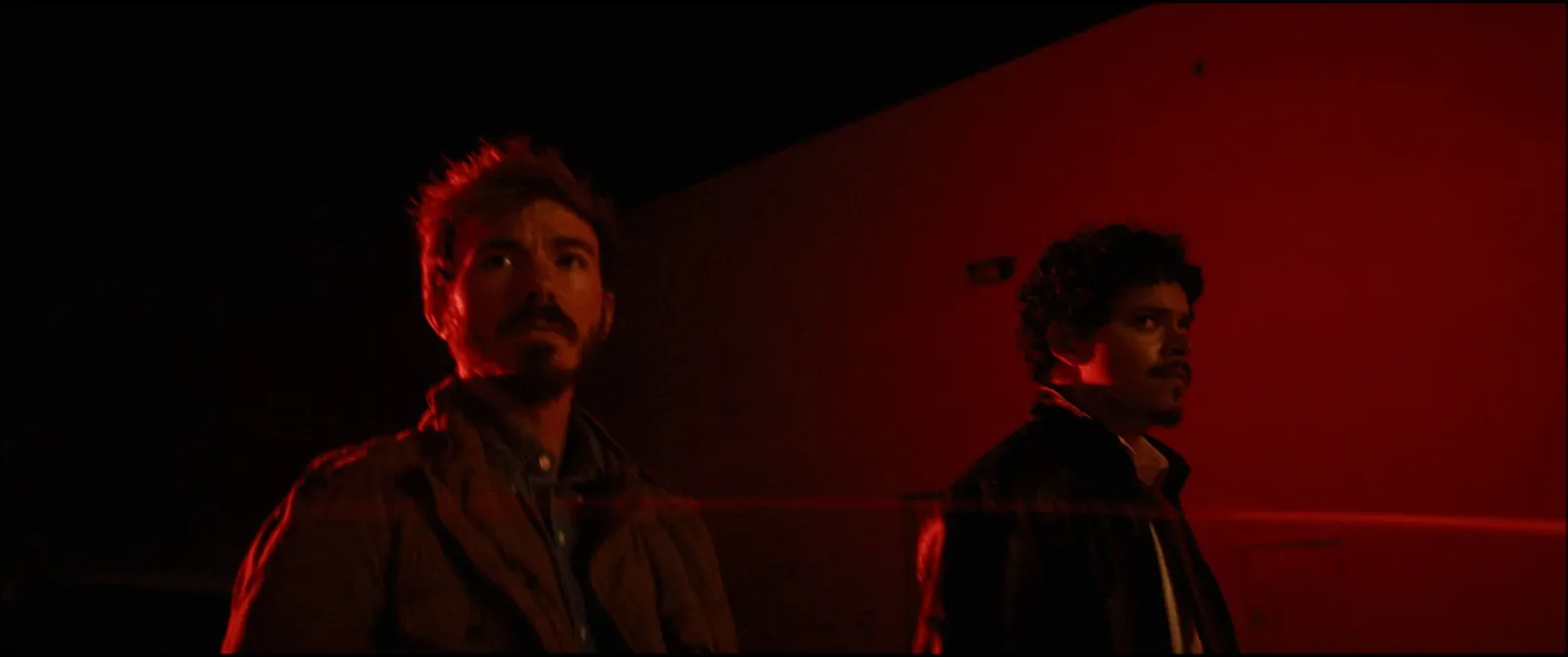
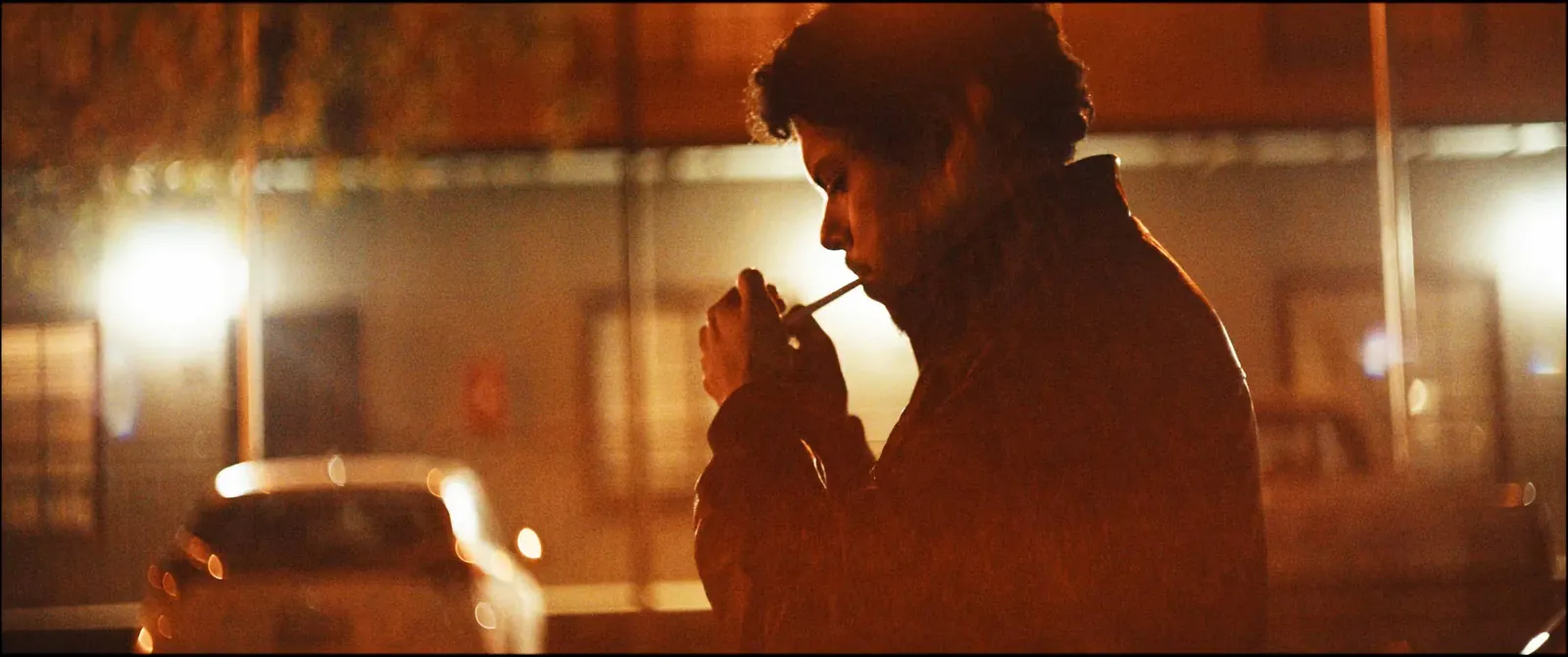
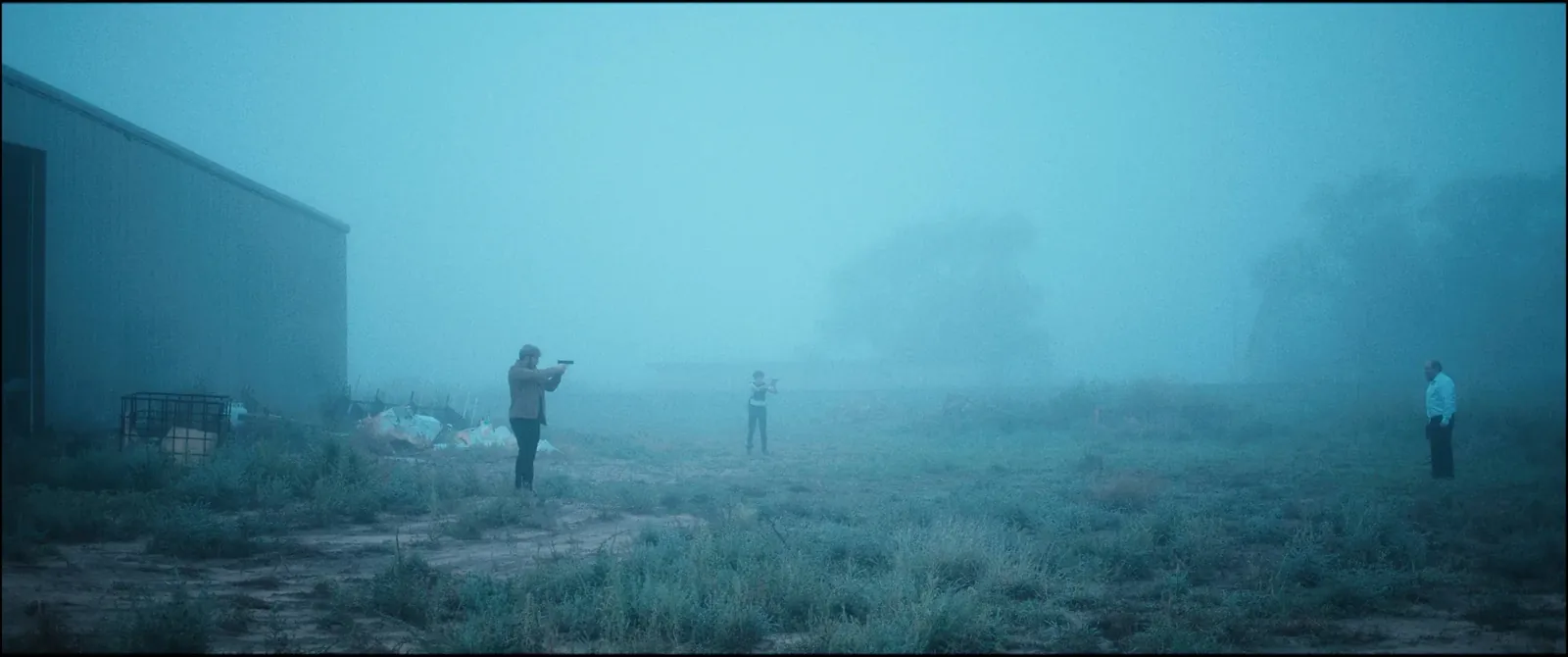
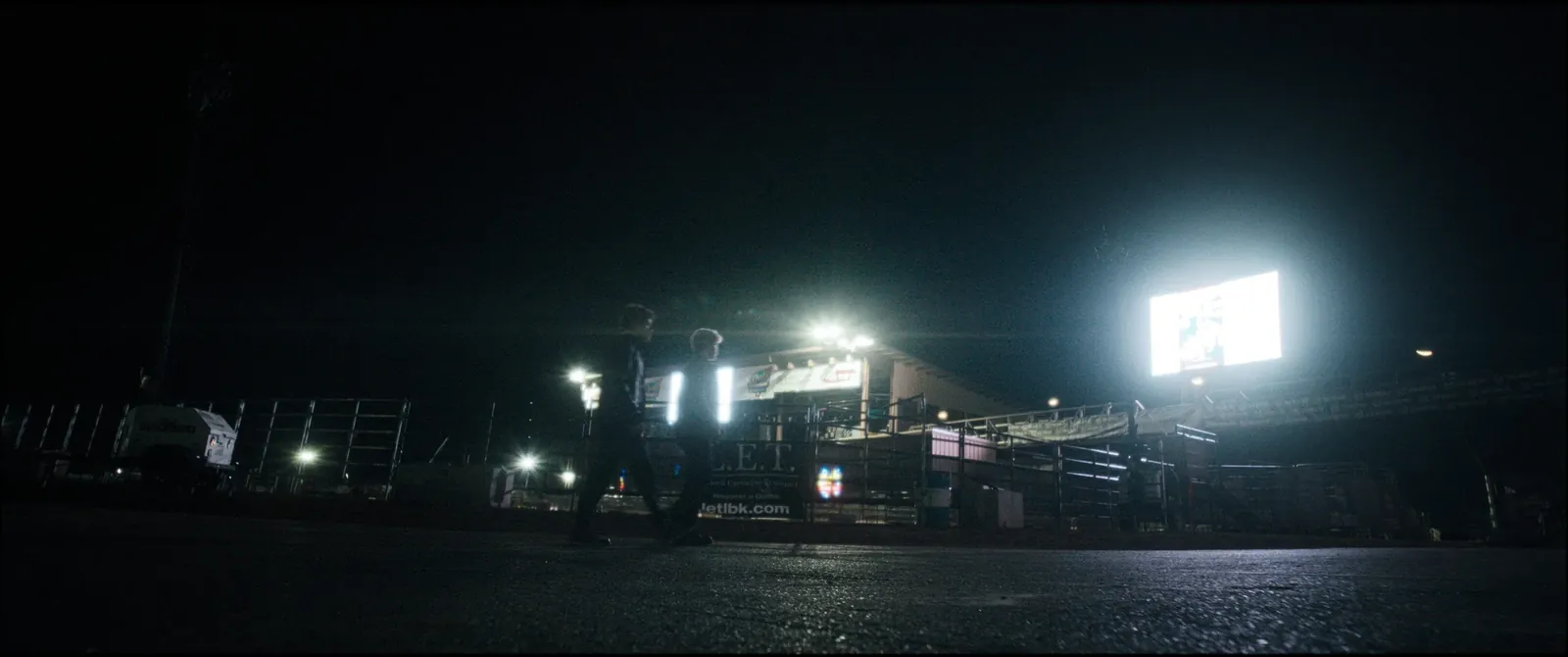
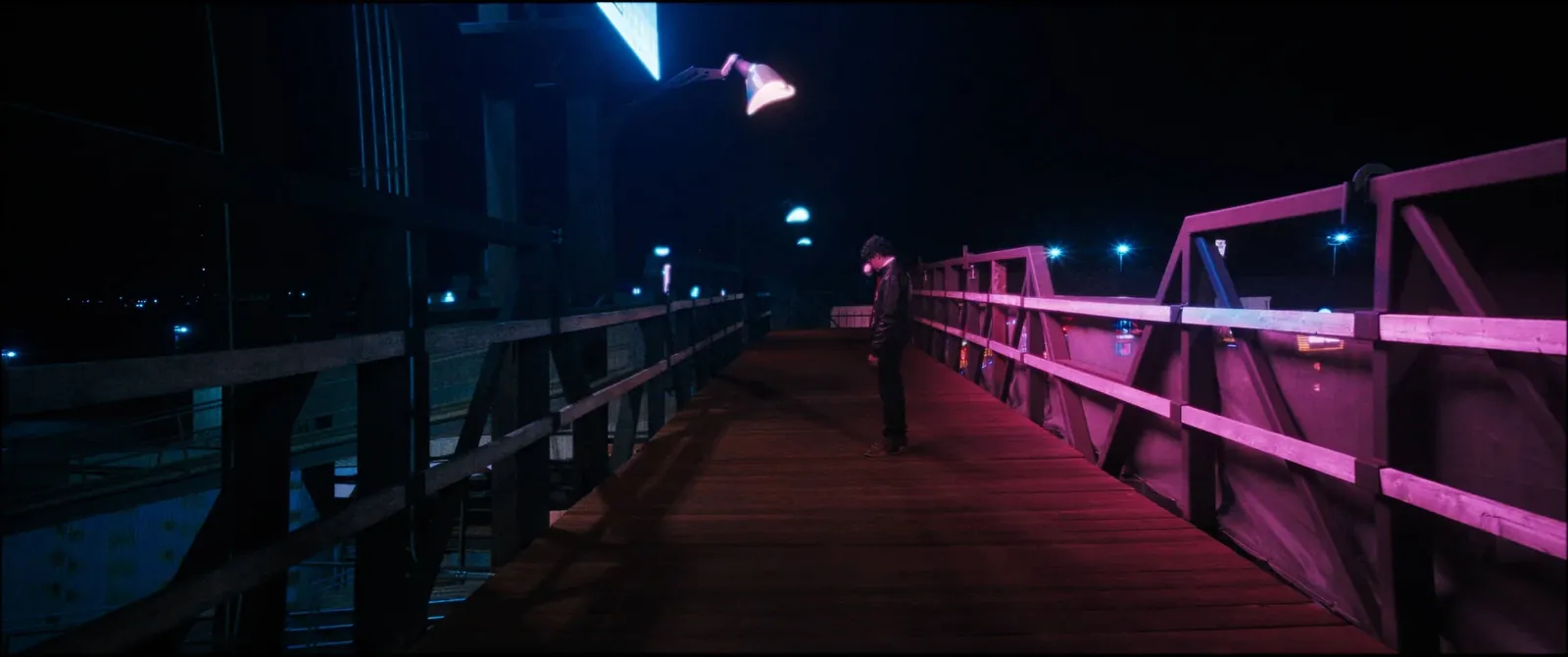
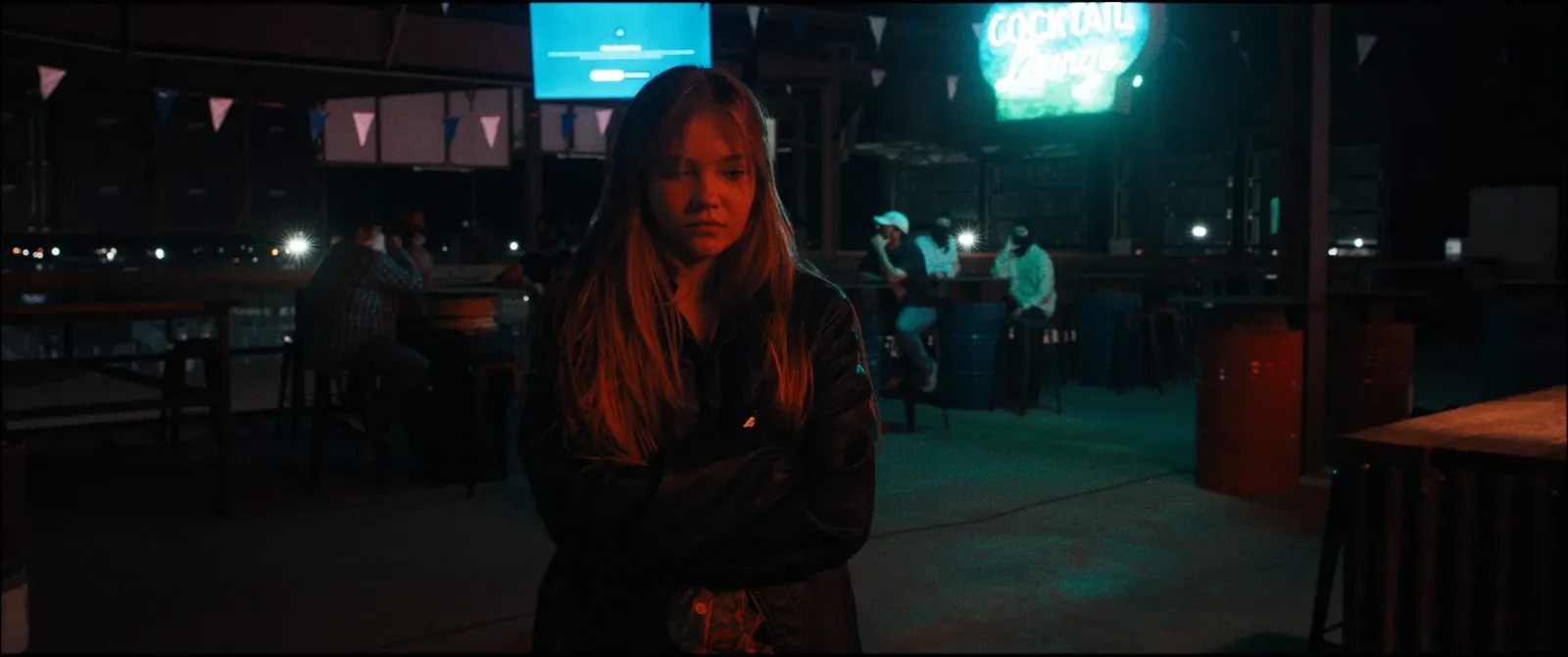
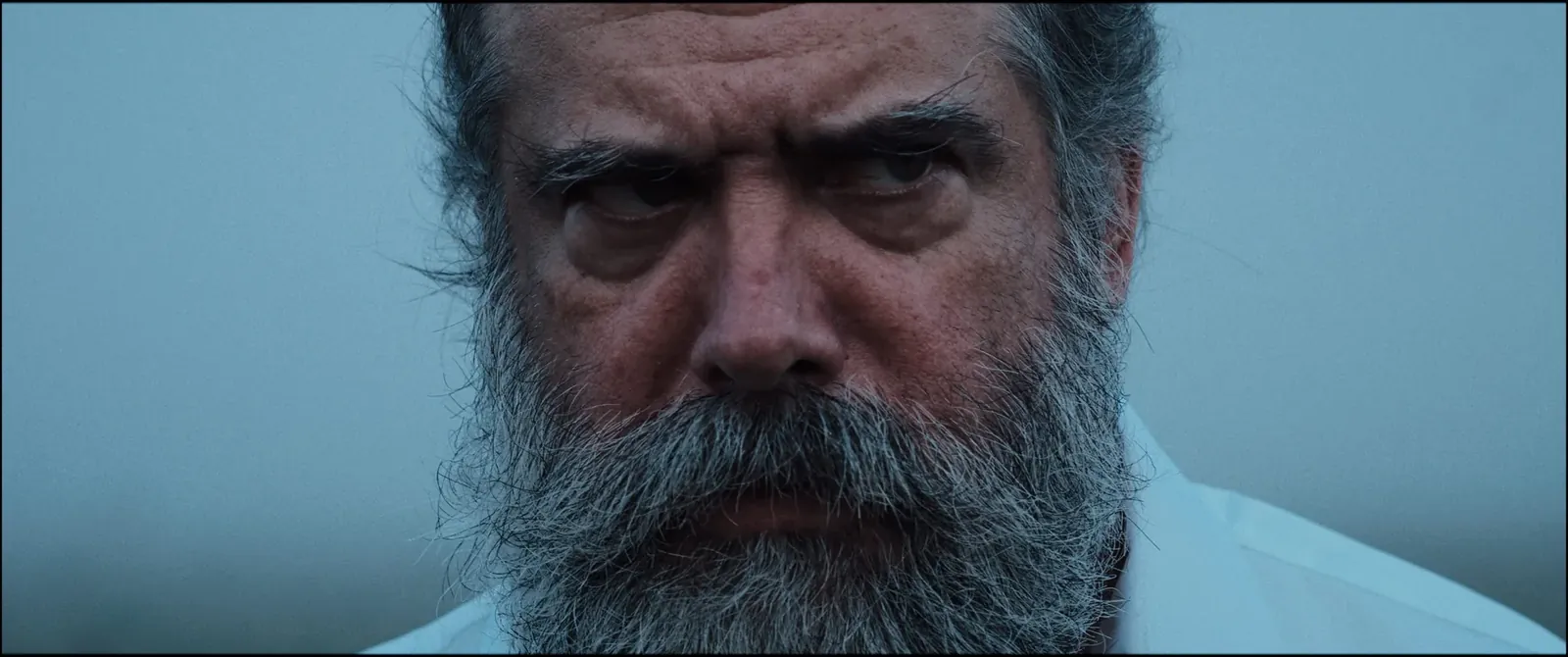
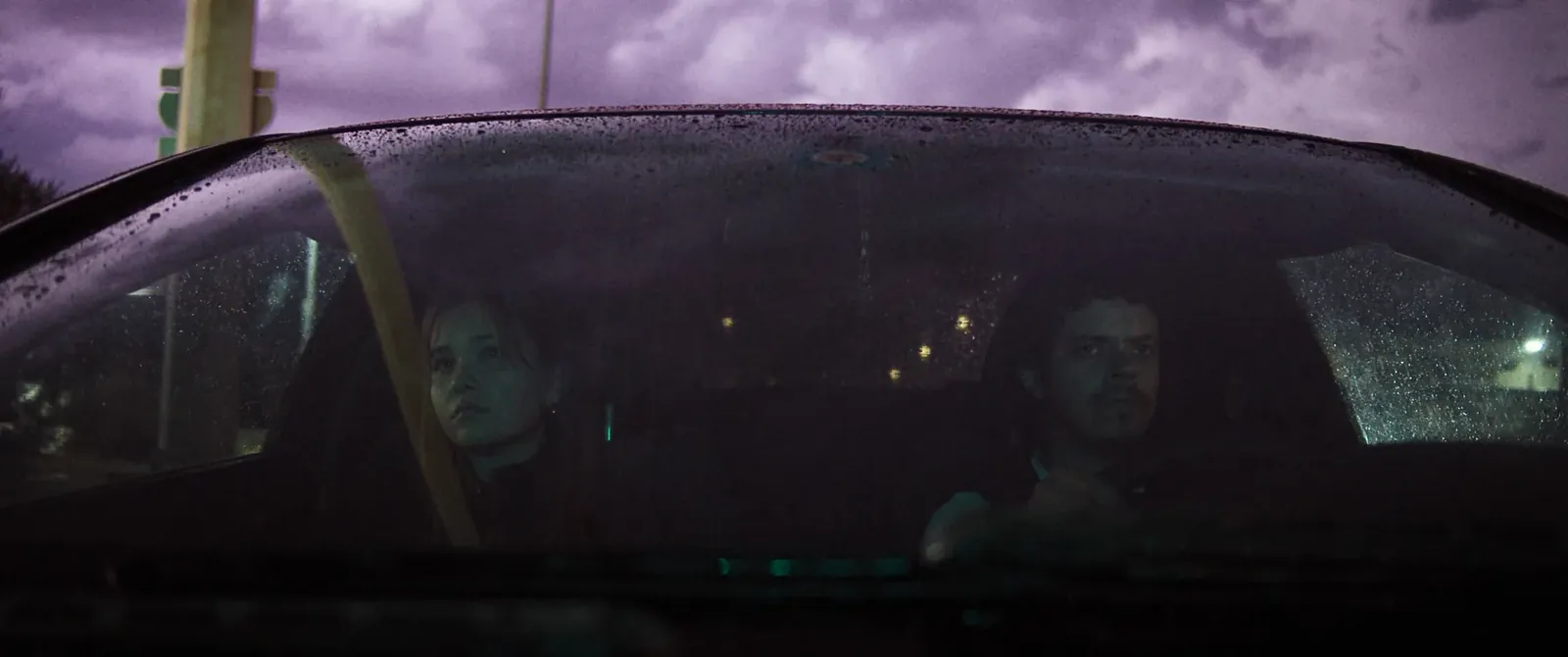
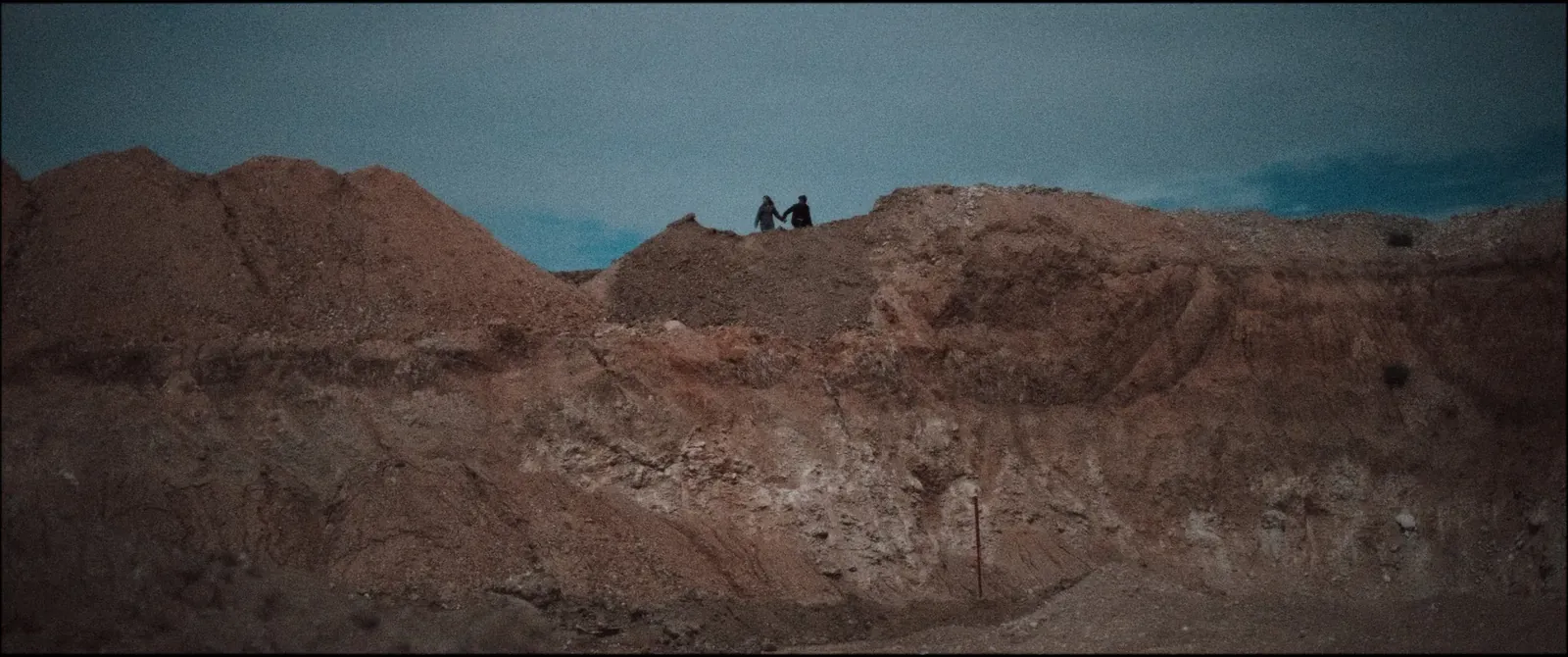
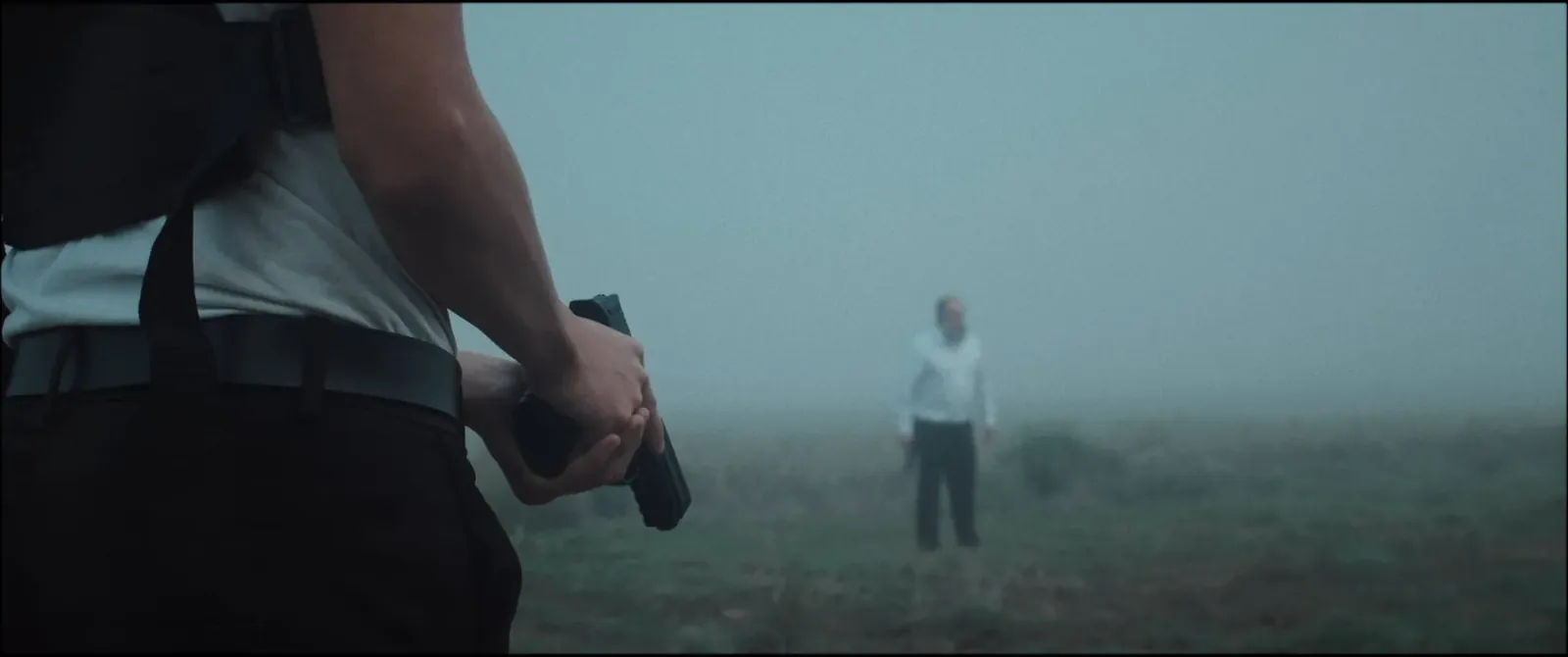
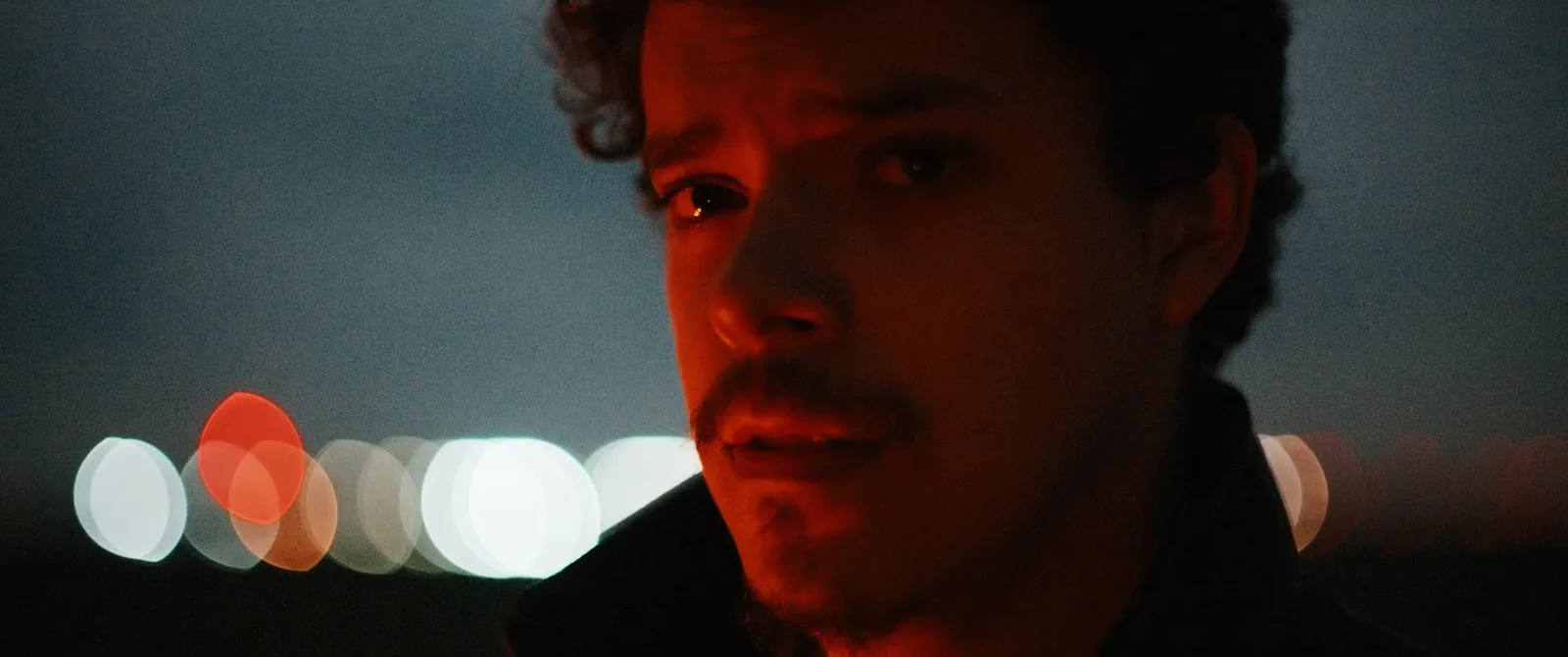
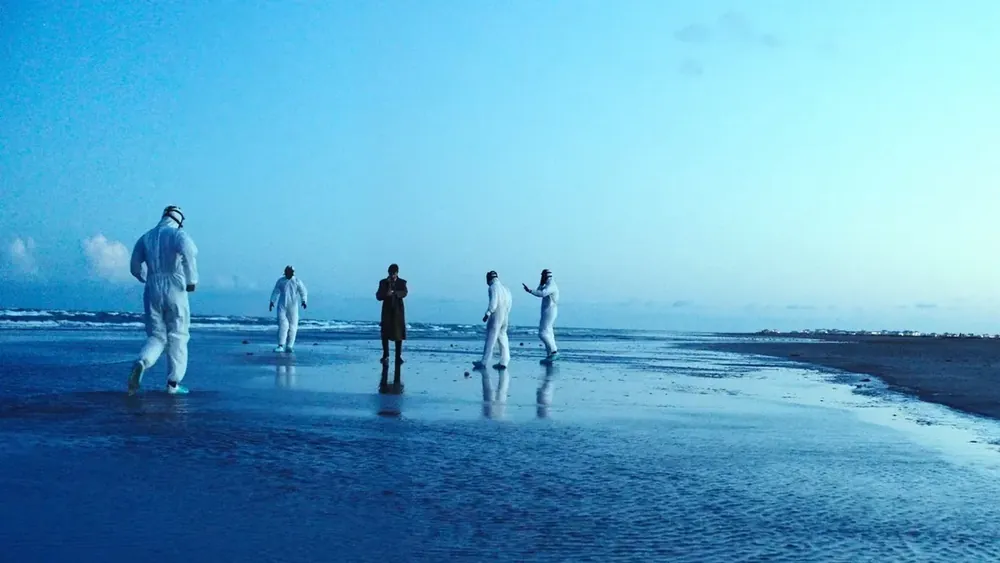
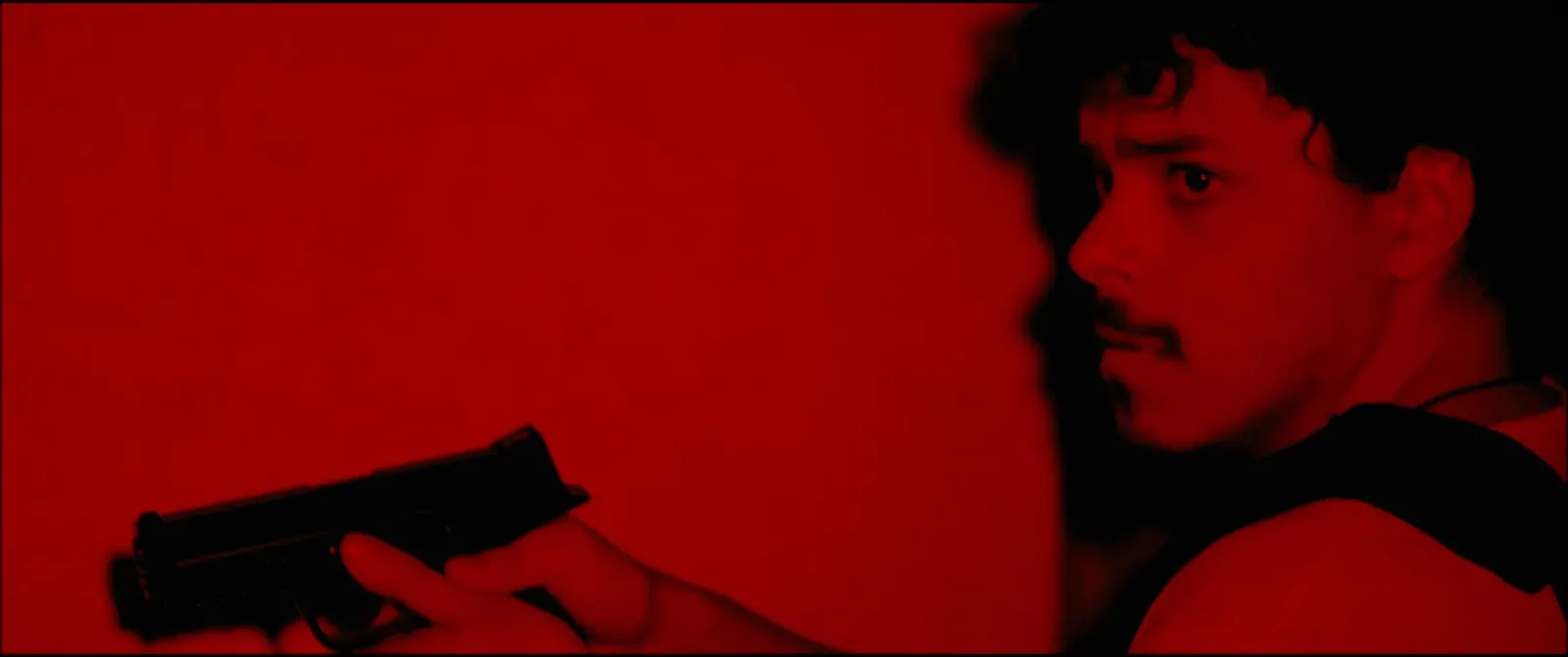
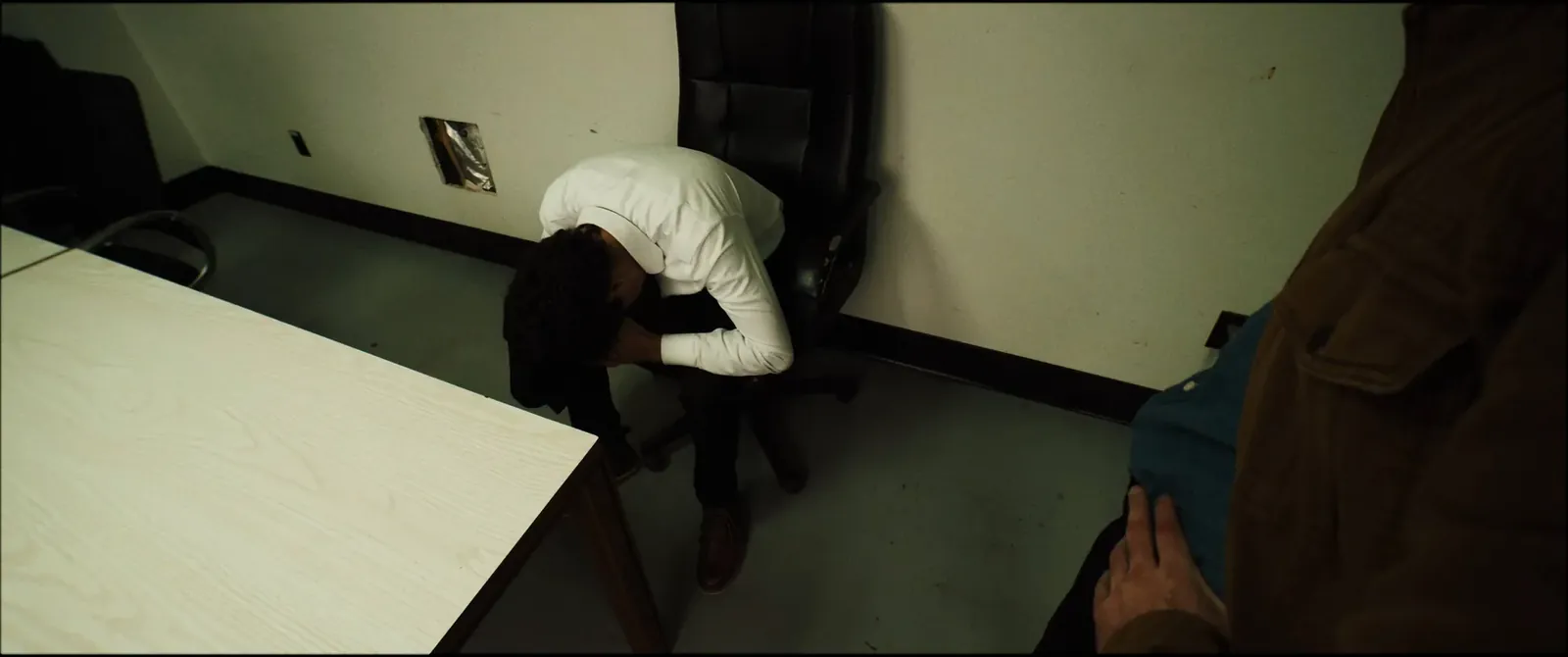
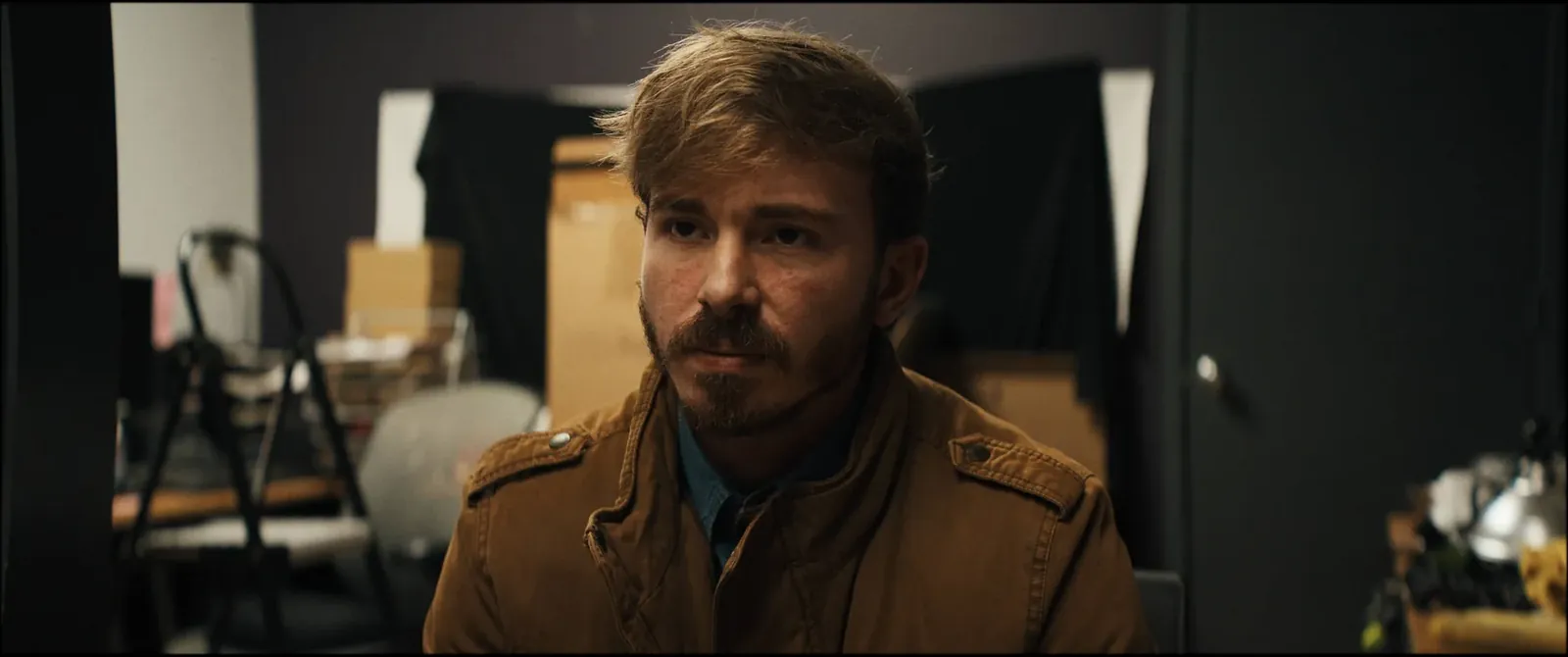
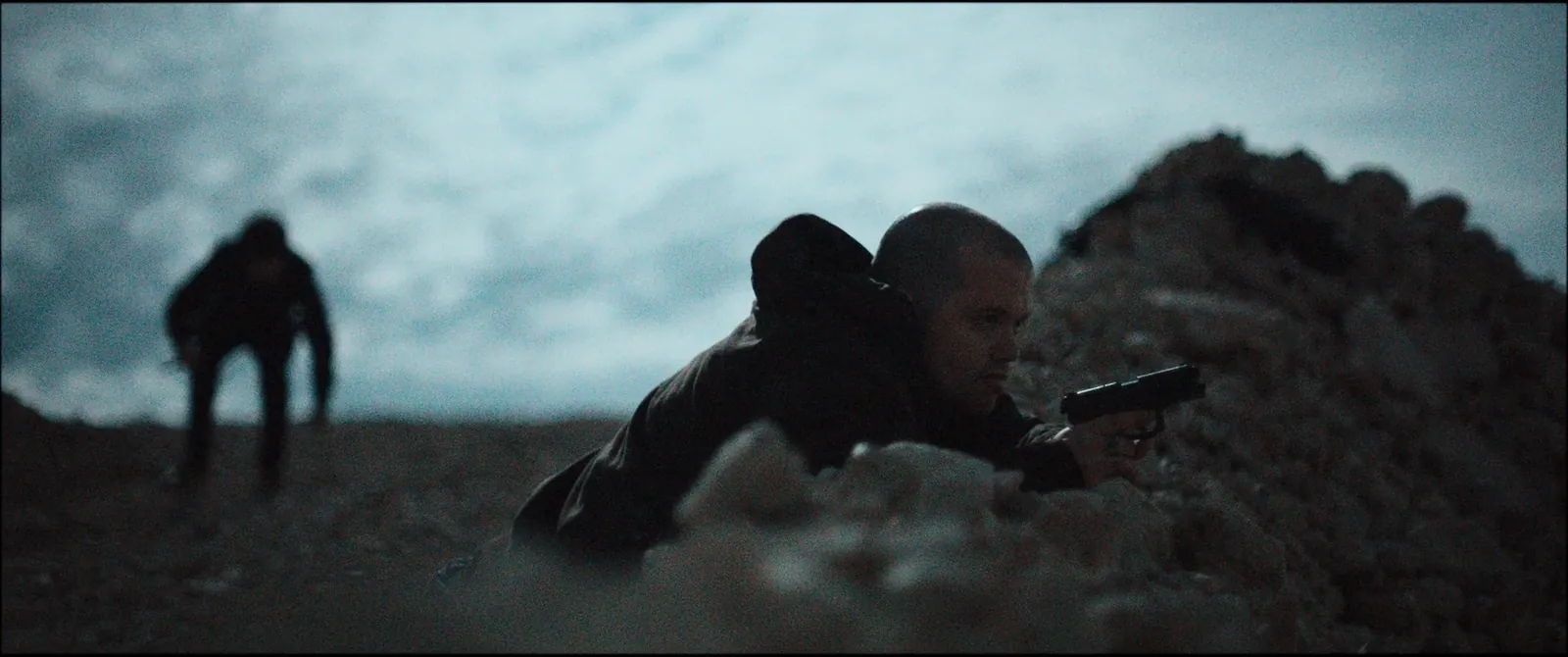
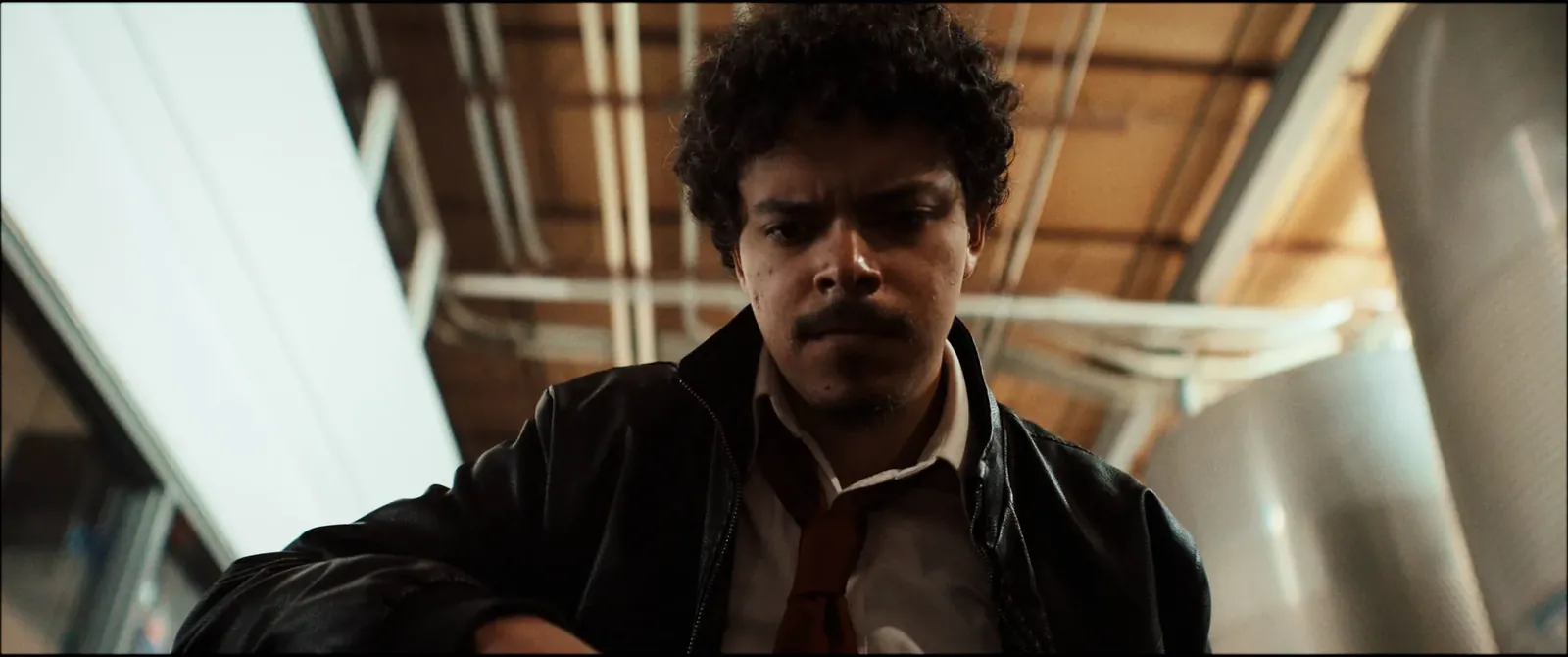
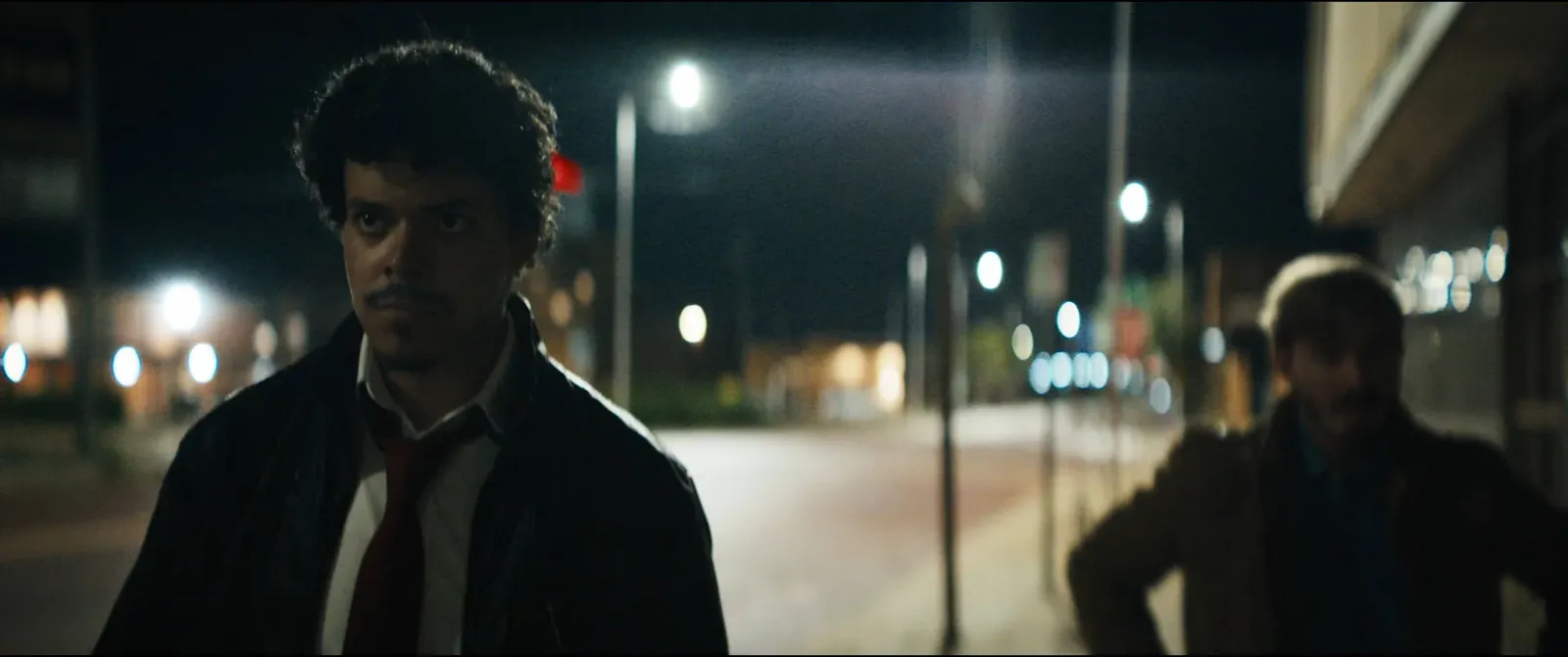
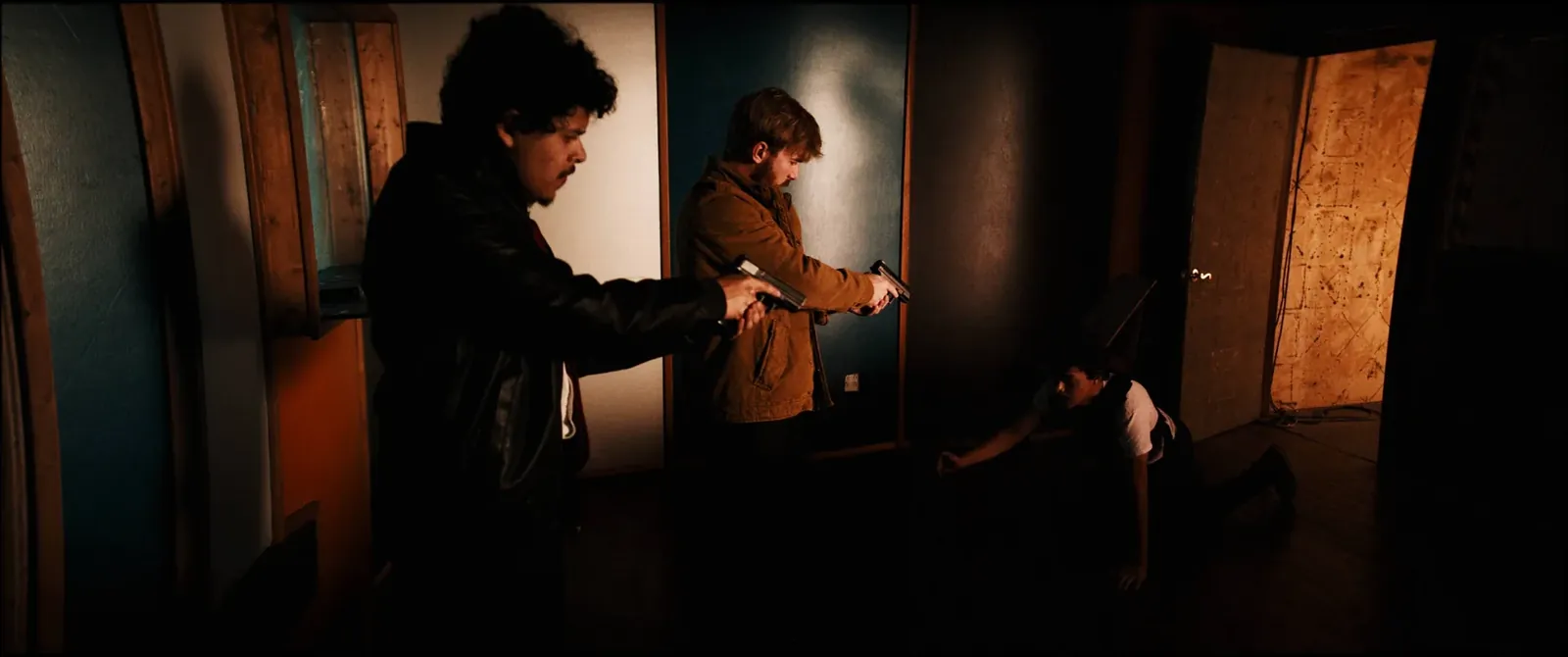
A young Lubbock detective finds his ex-girlfriend murdered, then gets a phone call from her, very much alive. Project Hairpin is a time-bending crime thriller that unfolds over one winter night in West Texas.
Emory Miklos and I wrote the screenplay together. I directed it, produced it and served as director of photography. It is my second independent feature; the first, Perspicacity, is in post-production. Pre-production on Hairpin ran more than 15 months. Principal photography ran about two months and finished this past Saturday, November 21.
A production like this does not leave room for anything else. From the moment I woke up to the moment I went to sleep, I was working on the film.
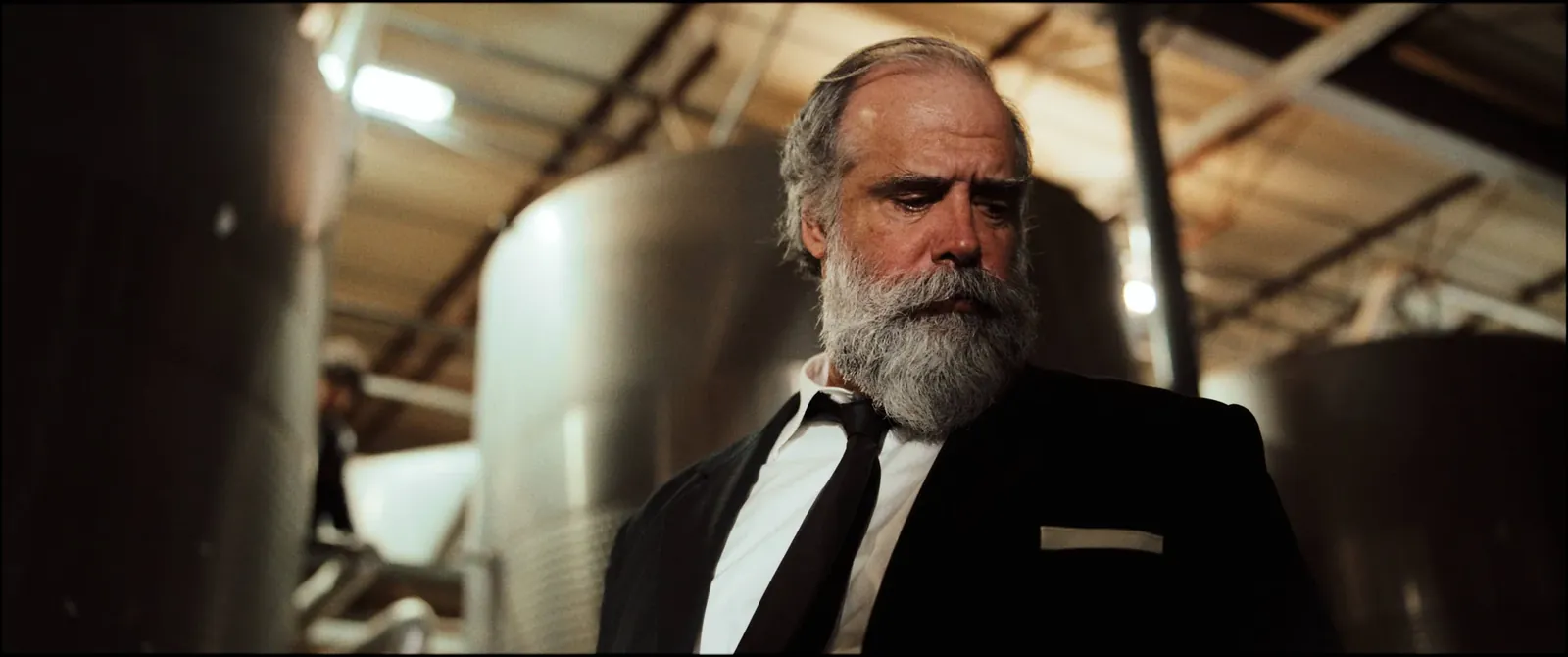
Lead producer on a 60‑sequence feature
I worked with a small, dedicated team: a location producer, casting support, and my co-writer Emory on set design and props. As lead producer, scheduling, location confirmation, budgeting, actor communication and day-to-day logistics ran through me alongside my work behind the camera on every shoot day.
- 60 sequences over about two months. Each one had to be matched to actor availability, location access, props, wardrobe and extras.
- 8 difficult locations. Some of the best locations in town, each with its own permissions, hours and restrictions. One example is Llano Estacado Winery, where we filmed on October 29 and again on November 18.
- 12 actors and a pool of extras. Including actors driving in from out of town, whose travel I coordinated around the schedule.
- Casting in three months. Coordinated auditions, callbacks and final selections across twelve principal roles.
- Two late dropouts, both recast in time. Two actors left the film close to their shoot dates. I found and prepared replacements in time to keep the schedule.
- Long shoot days. Every shoot ran at least four hours of filming. With load-in, setup, wrap and travel, most were closer to eight.
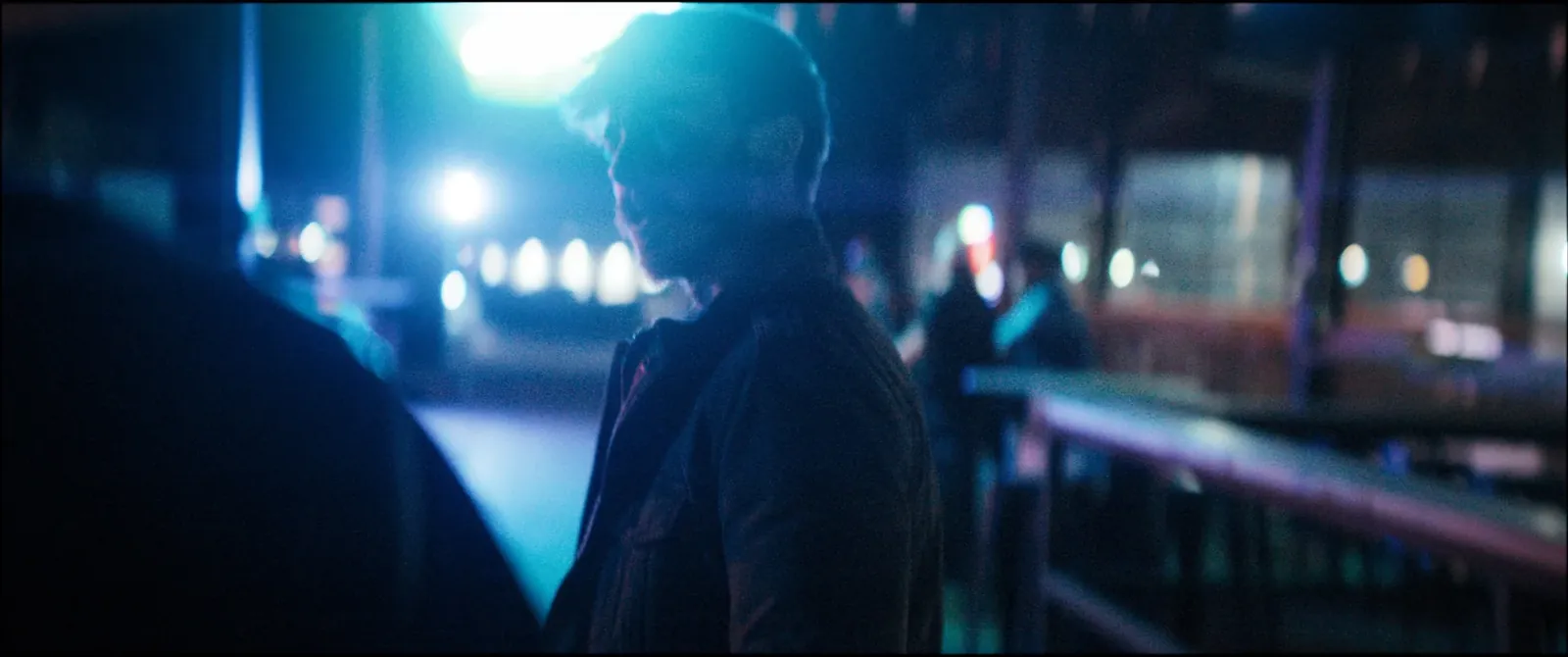
For three shoots in a row I worked through the night. I was doing pre-production for the next scene overnight, then filming it, with about three hours of sleep in between. It was the most demanding period of work I have done.
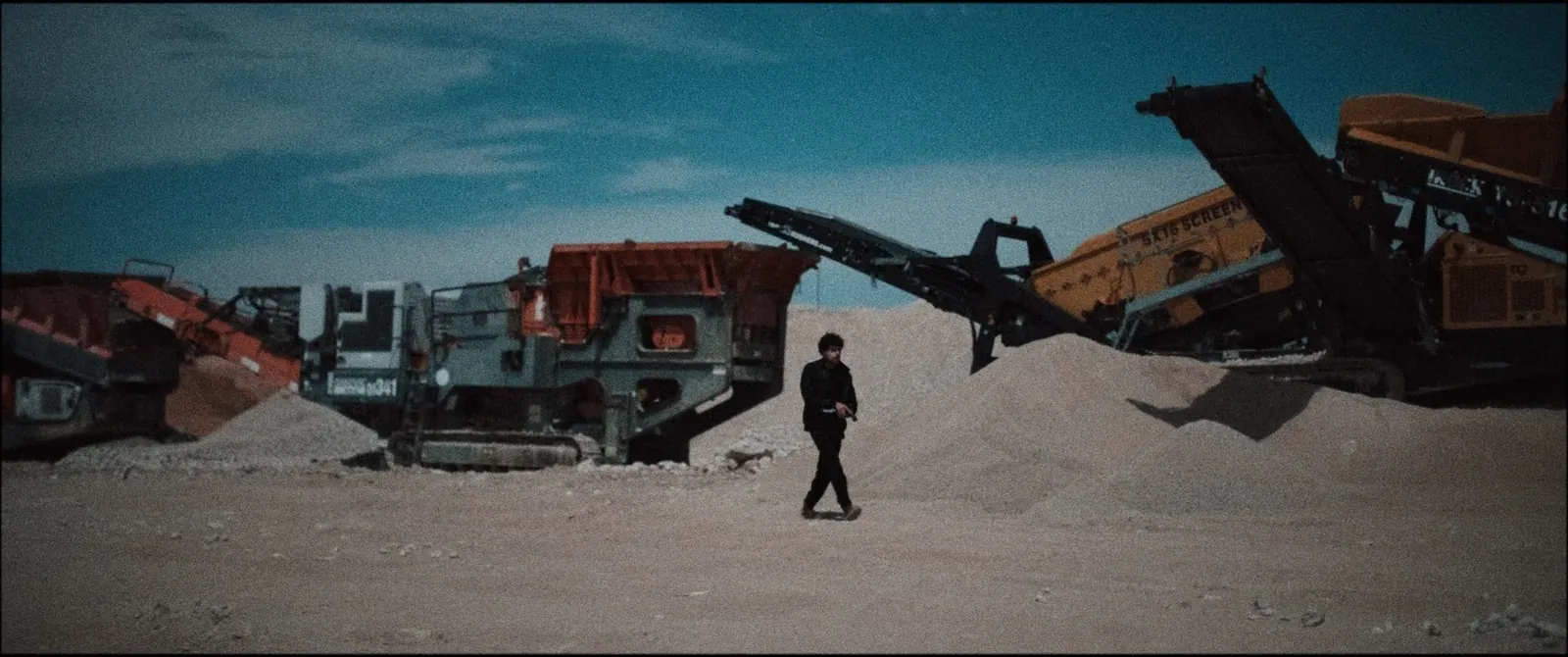
The film was 100% self-funded. About $5,000 went to cast, costumes and everything in front of the camera. Including equipment, lights and lenses, the budget was closer to $15,000.
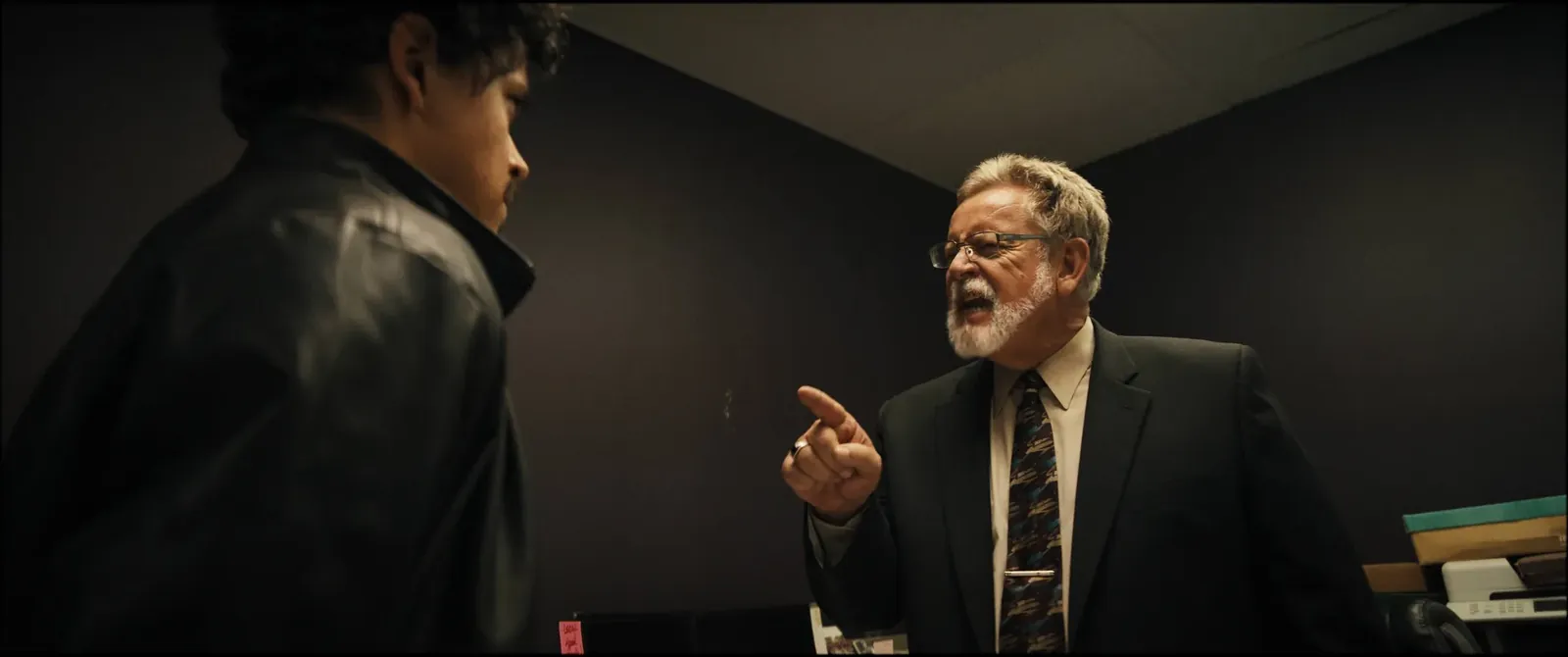
Building my own production office
A production this size normally has an assistant director, a script supervisor and a production coordinator. I did not have them, so I built tools to do that work. I taught myself web design and coding, working with AI, and built several web apps and websites to manage the feature and my business.
AI scheduling app
Highlights which characters appear in which scenes and checks that against each actor's availability and each location's access. Built to organize 60 sequences, 12 actors, extras and 8 locations.
Automated script breakdown
Inside the same app, AI reads the screenplay and tags the props, extras and requirements in every scene. Each shoot day, the app generates a logistics report of exactly what that day needs.
Multi-model AI assistant protocol
A protocol I coded that lets Claude Opus 5.5, Gemini and GPT share one context and work on long-horizon goals. Any of them can pick up where another left off. It served as my production assistants for the feature.
Voice-memo production office
Through the protocol and my own website, I could record a voice memo at any hour and get back what I needed. It knew the screenplay, every actor's status, every location's status, my to-do list, my email and my business invoices.
ProRes RAW compression tool
A proprietary tool, written with AI, that compresses 5.8K ProRes RAW from the S1II and saves it as 4K ProRes RAW. It let me shoot raw for a whole feature without buying terabytes of extra storage.
Intelligent digital OLPF
When downscaling 5.8K footage, a plain blur softens the image. My tool applies a digital optical low-pass filter that suppresses aliasing and moiré while keeping detail, the job a physical OLPF does on cameras like the Blackmagic 6K.
I also designed and coded my business website, johnpatrickportrait.com, and a business tracker for jobs, invoices and payments. The design of this page is borrowed from that site.
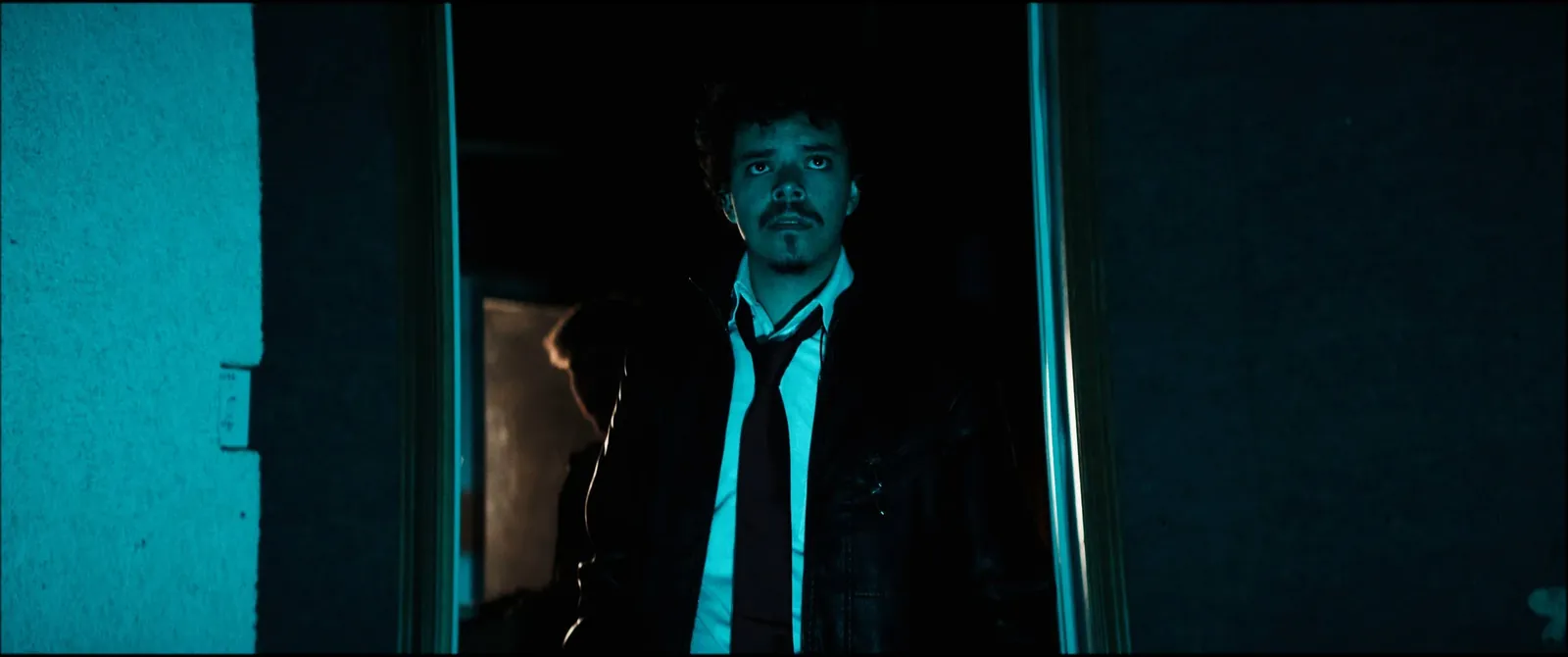
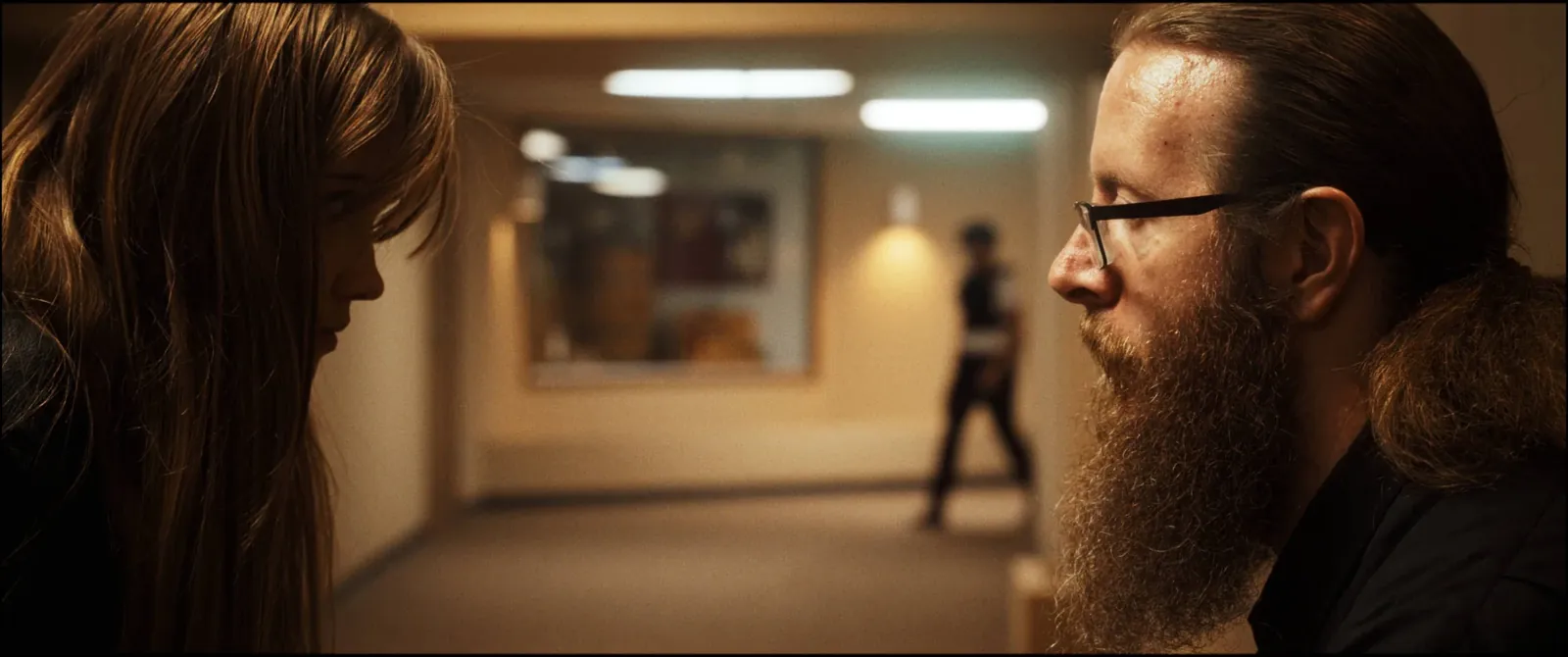
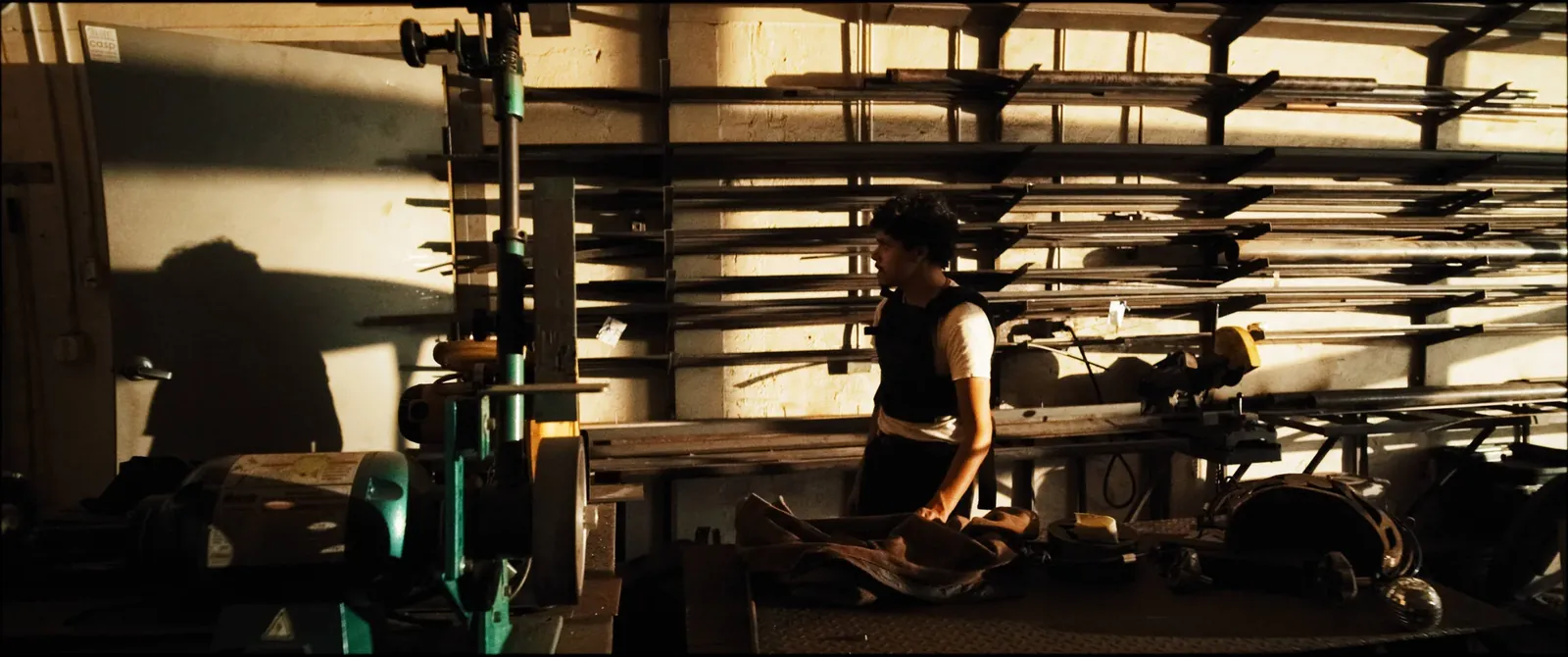
Study, practice, then Hairpin
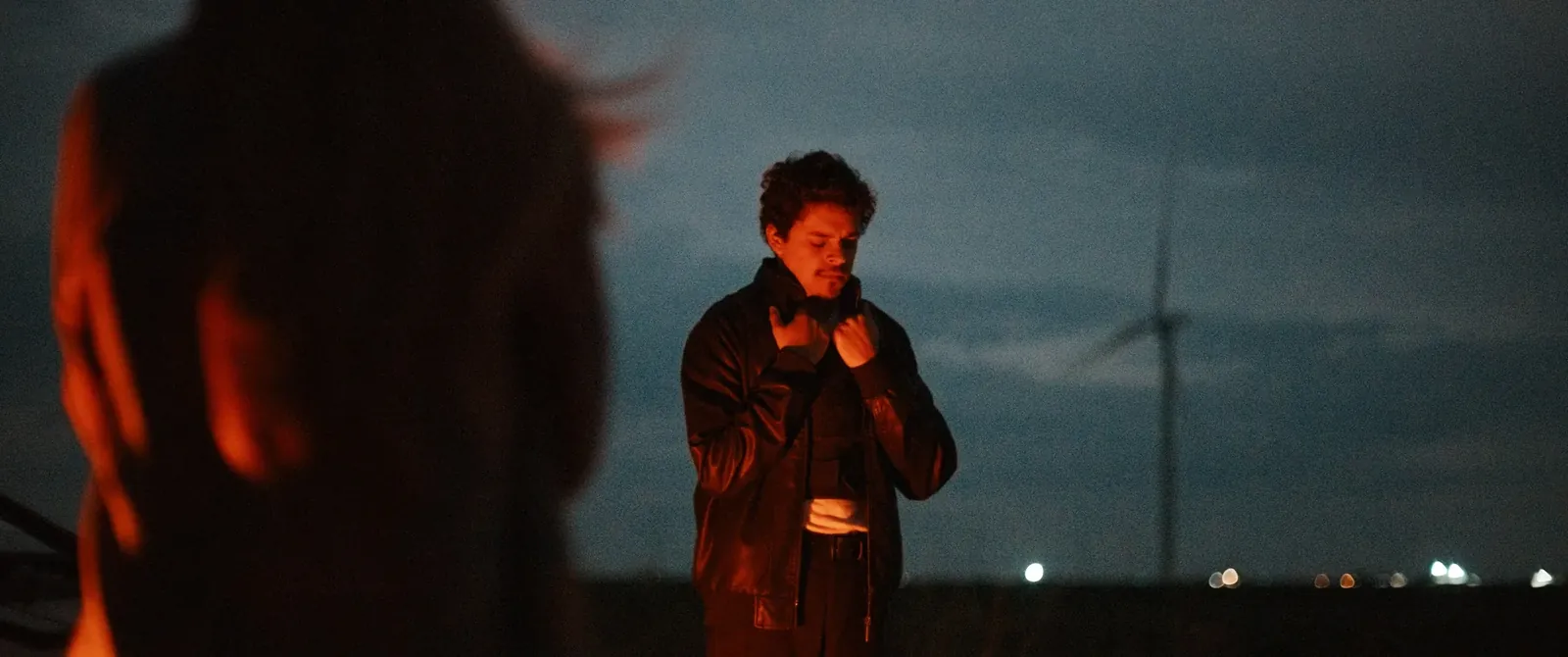
Since February 2025 I have learned everything I can about lenses, sensors, exposure, lighting and color. I practiced it on about five short films this year, then used all of it on the feature.
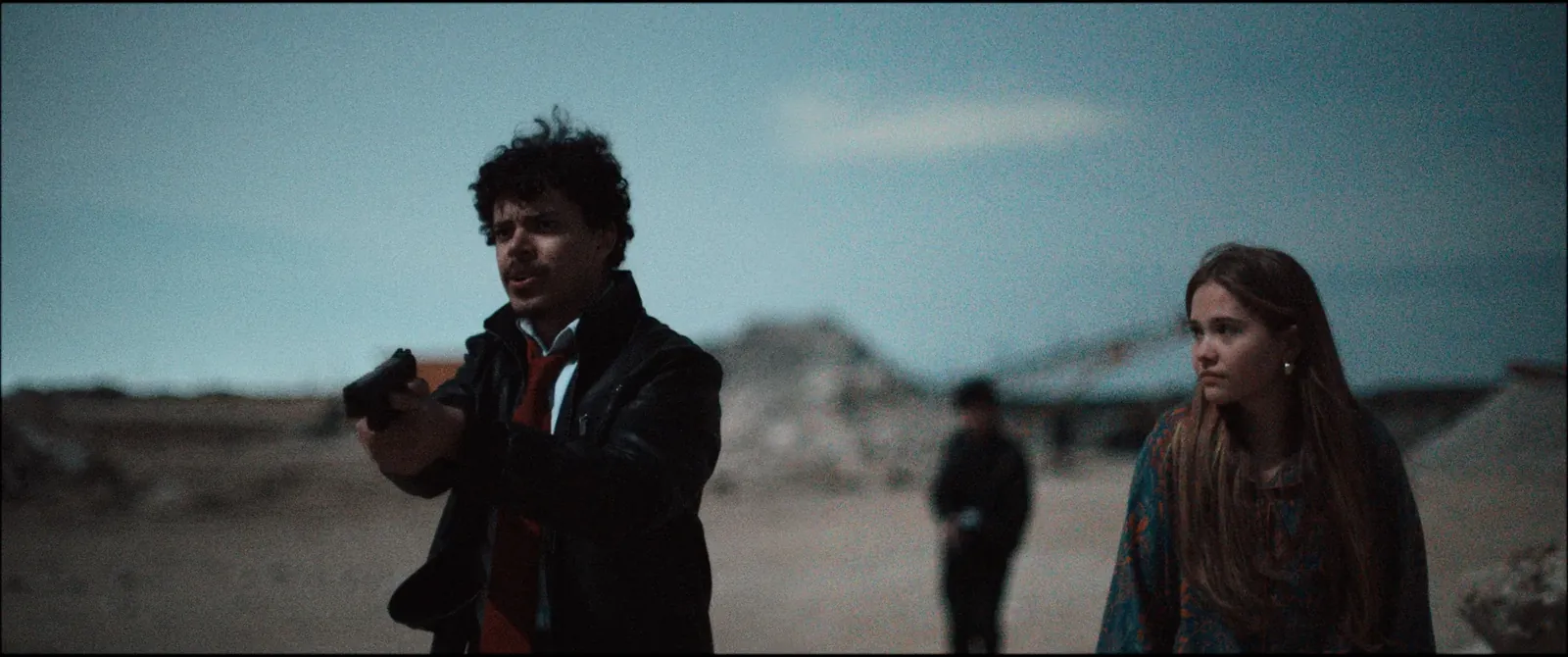
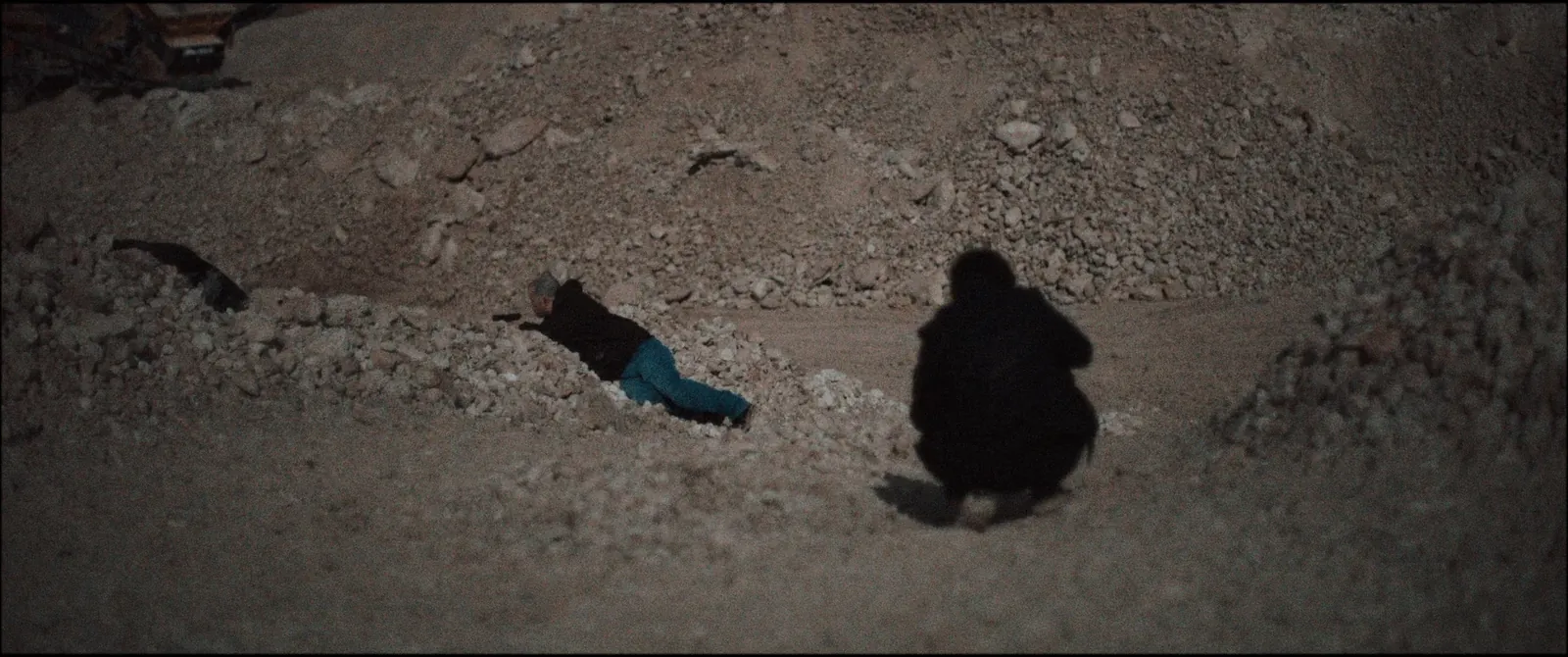
Lit only by the moon
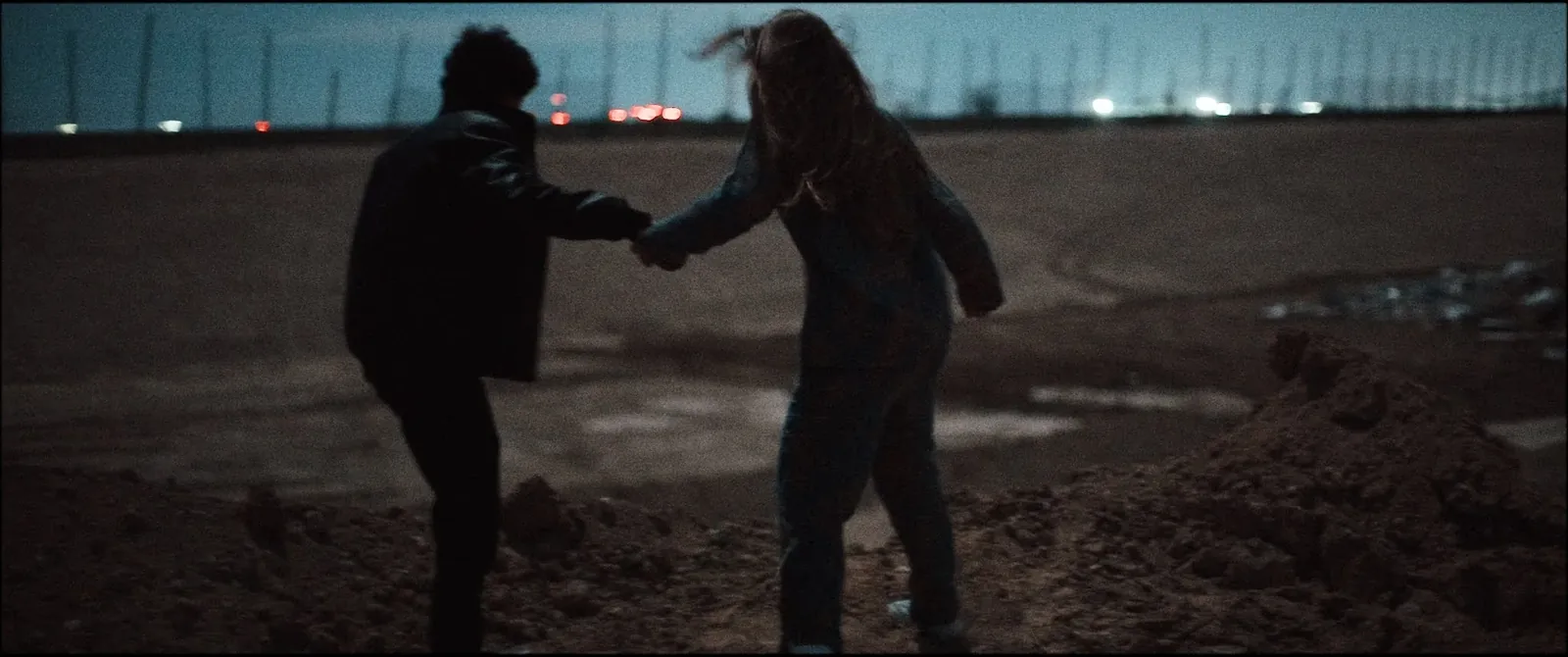
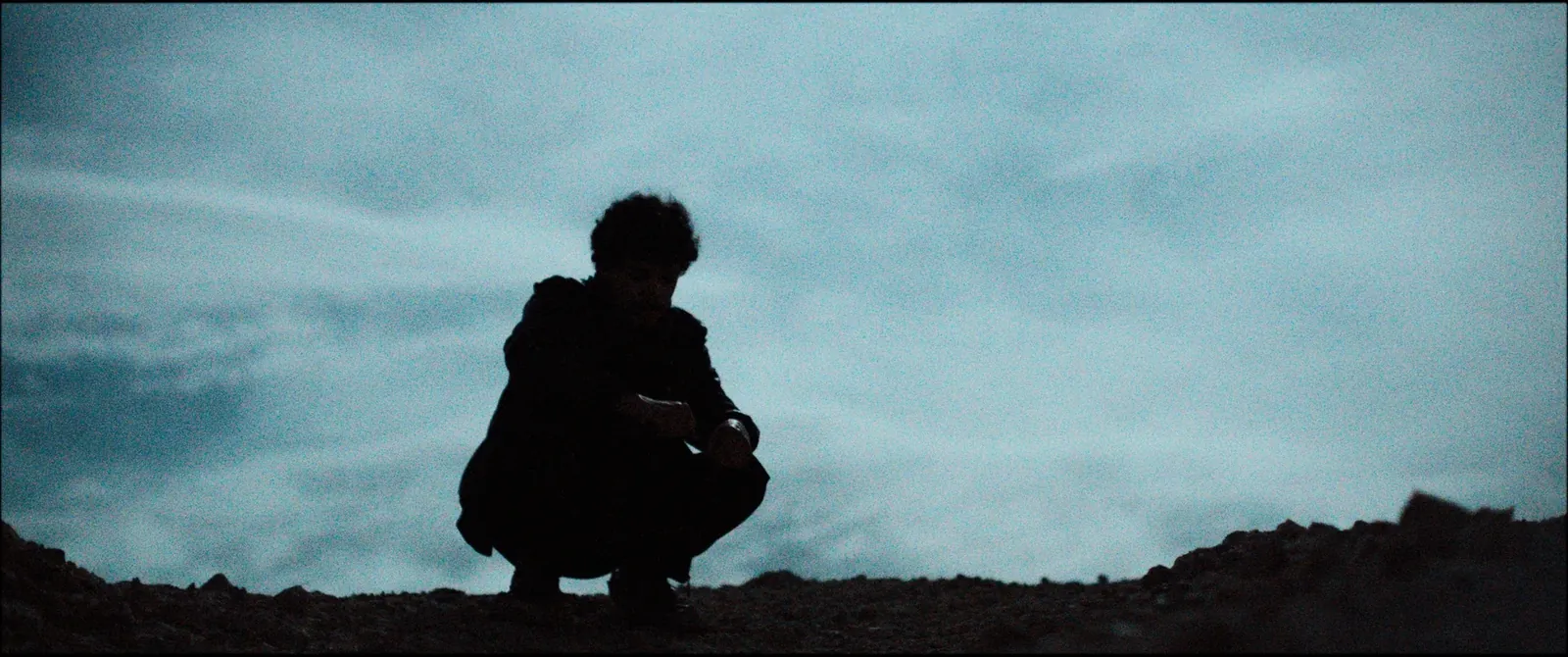
The technical result I am proudest of: an entire sequence lit exclusively by moonlight, with no added light. I shot it on the Lumix S1II with the Canon New FD 50mm f/1.2 at ISO 32,000 and still captured a usable image: no lamps, no reflectors, only the moon.
Three cameras
The Blackmagic Cinema Camera 6K was my A camera and shot roughly 75% of the feature. I chose it because it has a stellar cinematic image.
The Lumix S1II covered spherical work and anything that needed in-body stabilization. It also has outstanding low-light performance. I shot it in 5.8K ProRes RAW, using the compression and OLPF tools above.
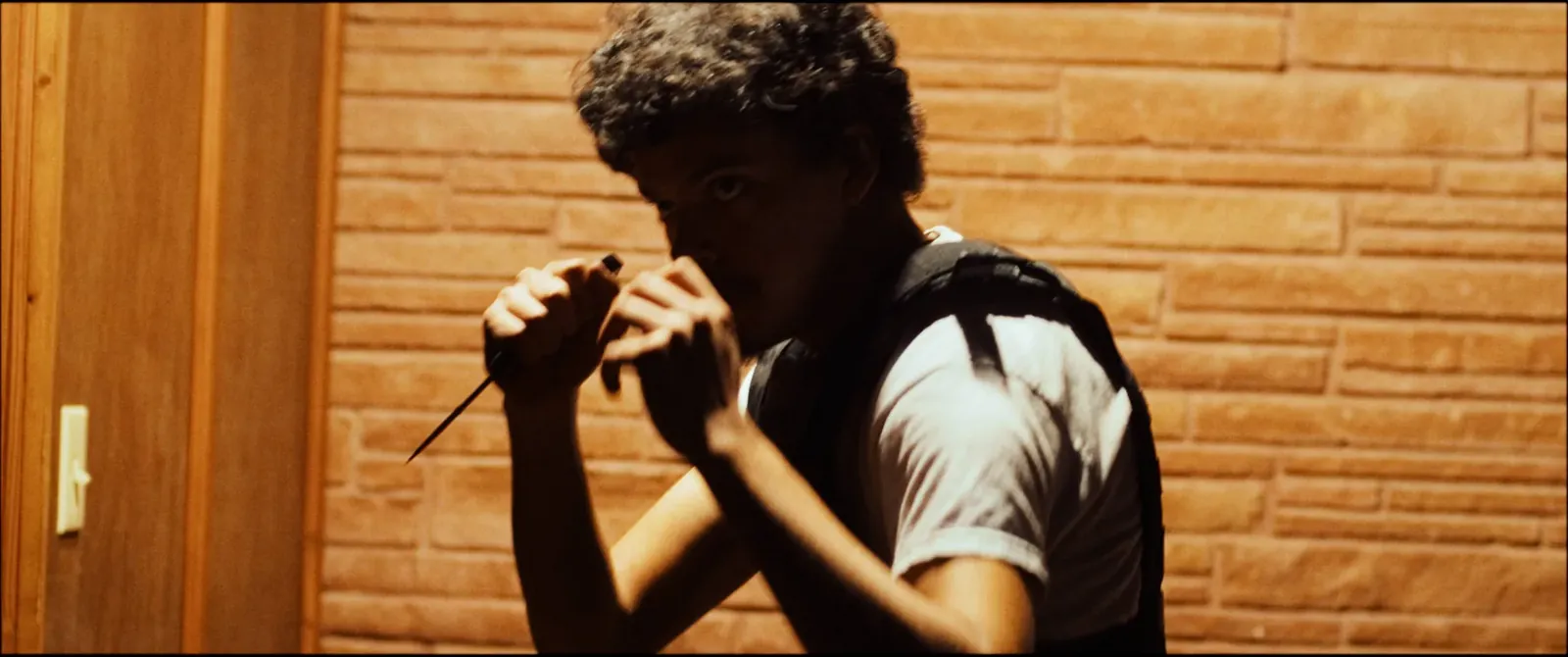
The Pocket Cinema Camera 4K went where a full-size cinema camera wasn't realistic: fight scenes, car mounts, the rafters at the winery and other tight spots.
Lighting
Alongside the professional lighting I rented for the production, my own portable 150W V-mount light was the one that never let me down. I used it with its Fresnel attachment on about half the scenes I lit; I prefer the Fresnel over the 48-inch softbox for its control and shape.
Color grading
In the last six months especially, I have learned a great deal about color grading in DaVinci Resolve. AI has been a large part of that research.
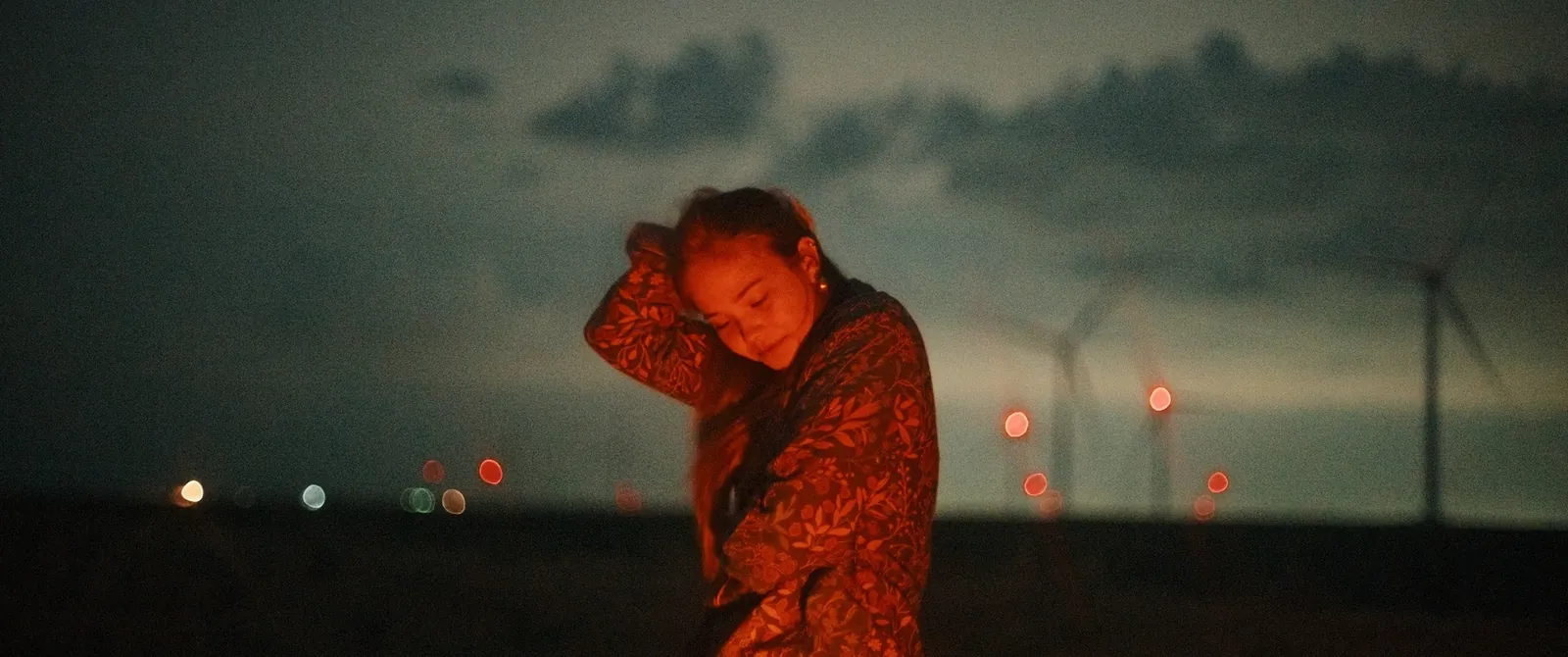
Practice films and festivals
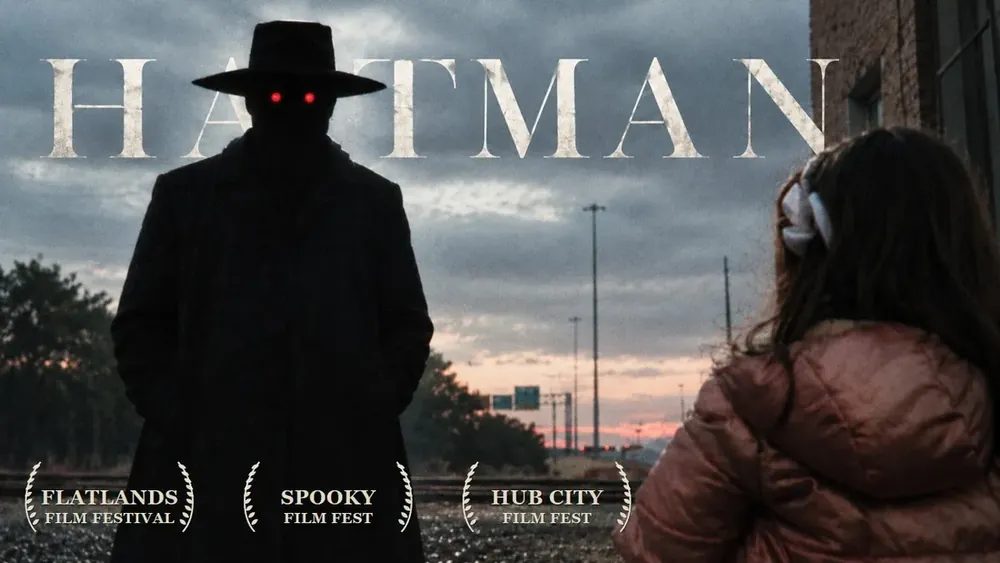
Each short was a cinematography exercise for the feature. I also finished Hatman, Wizard Fight was an award winner at the H2HC Film Festival, and Capsizing is shot and not yet released. I recently passed 50 short films made, and I have now shot two feature films.
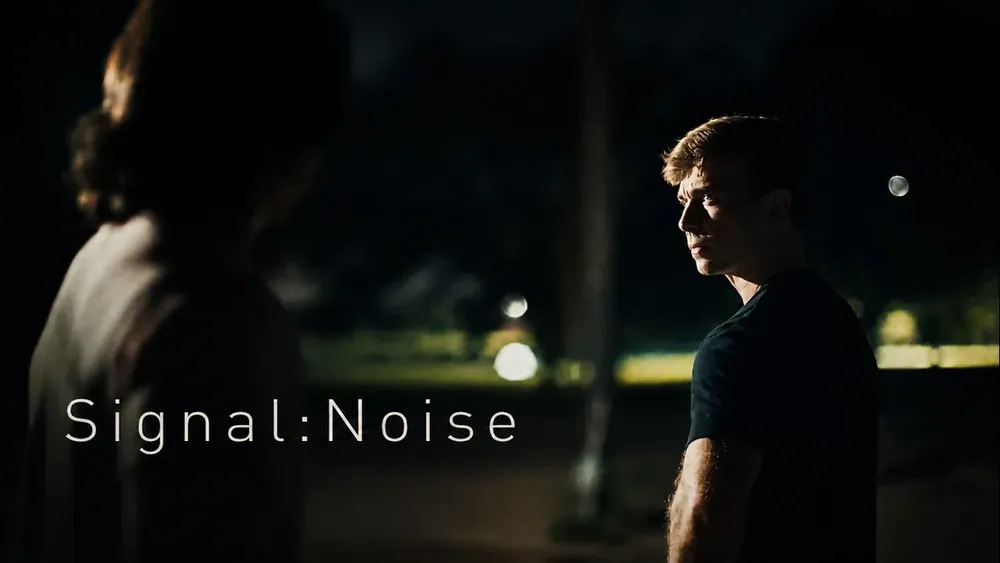
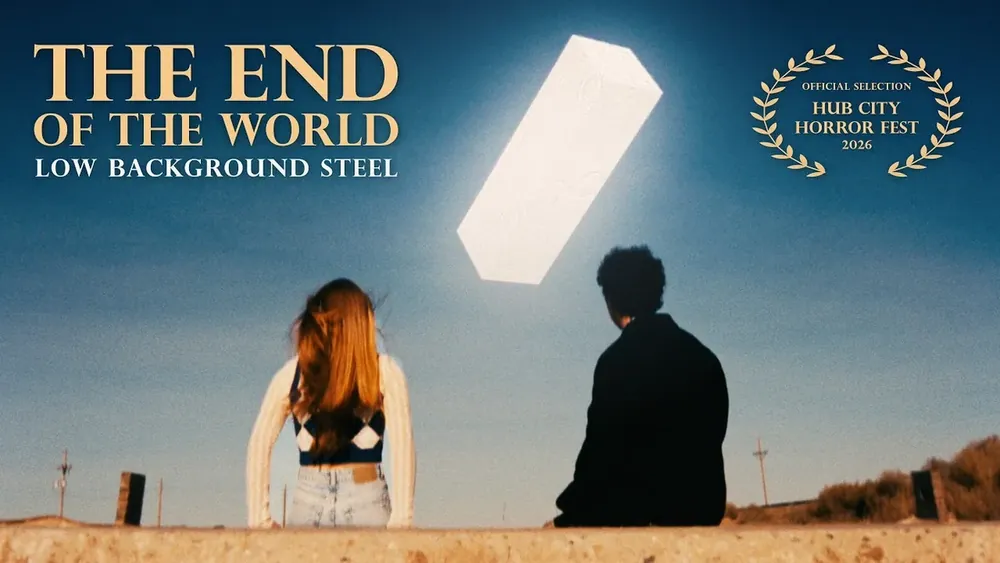
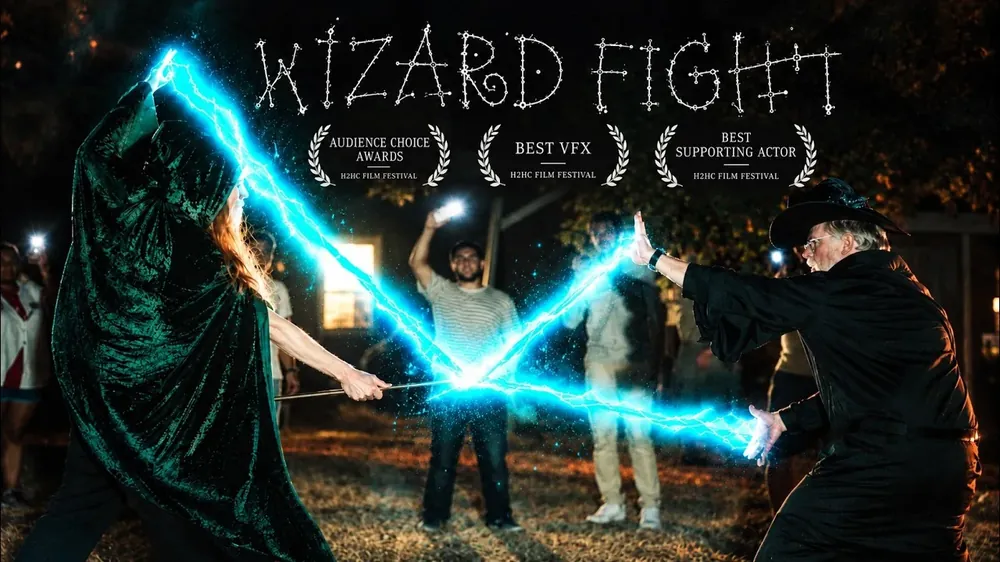
| Film | Recognition | Festival | Year |
|---|---|---|---|
| Wizard FightThis fall | Award winner | H2HC Film Festival | 2026 |
| HatmanThis fall | Official Selection | Flatlands Film Festival · Hub City Film Fest | 2026 |
| Uber DriverThis fall | Official Selection, festival premiere | Flatlands Film Festival | 2026 |
| Low Background SteelThis fall | Festival premiere | Hub City Film Fest | 2026 |
AI in my edit
Editing my first feature, Perspicacity, was hard. Organizing five years of footage took months, and the first draft took more than two months on top of that. I finished it on my birthday in February.
Now AI works as my assistant editor. It transcribes and organizes several terabytes of footage, 20+ hours at a time, finds the moments I need, syncs lavs and multicam, and organizes the footage by sequence in the script.
Filmmaker and producer, not just an editor
Planning a shoot, running the logistics, lighting and photographing it, and finishing it: the whole process is where I add the most. When I edit, I prefer narrative and production editing, where the cut is part of building a film, over just making edits.
- Producing and logistics
- Scheduling, casting, locations and budgets for a 60-sequence feature.
- Cinematography and photography
- Four cinema cameras, three lens sets, my own lighting. Stills at up to 70 fps on the S1II.
- Editing and color
- Narrative and production editing over one-off edits; strong in documentary. Color grading in DaVinci Resolve.
- Technical application
- Custom software, web apps and AI workflows.
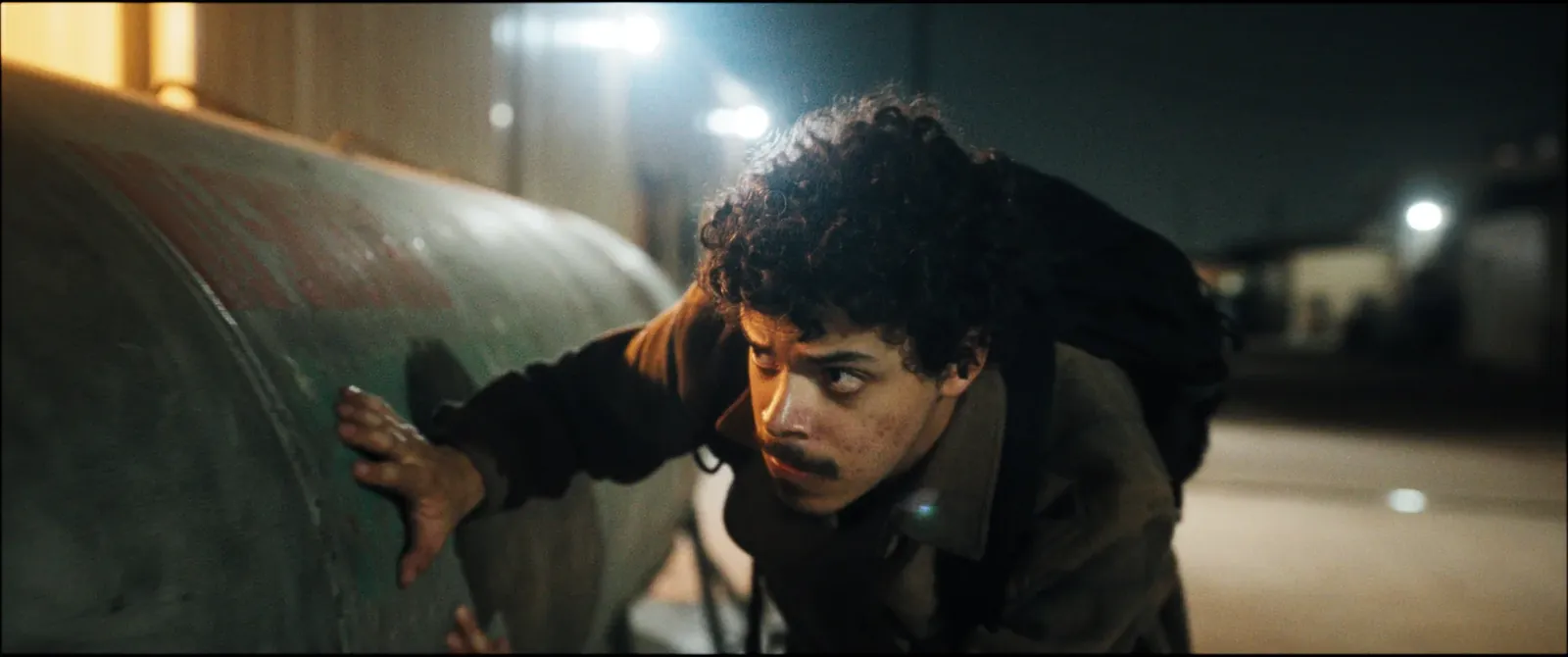
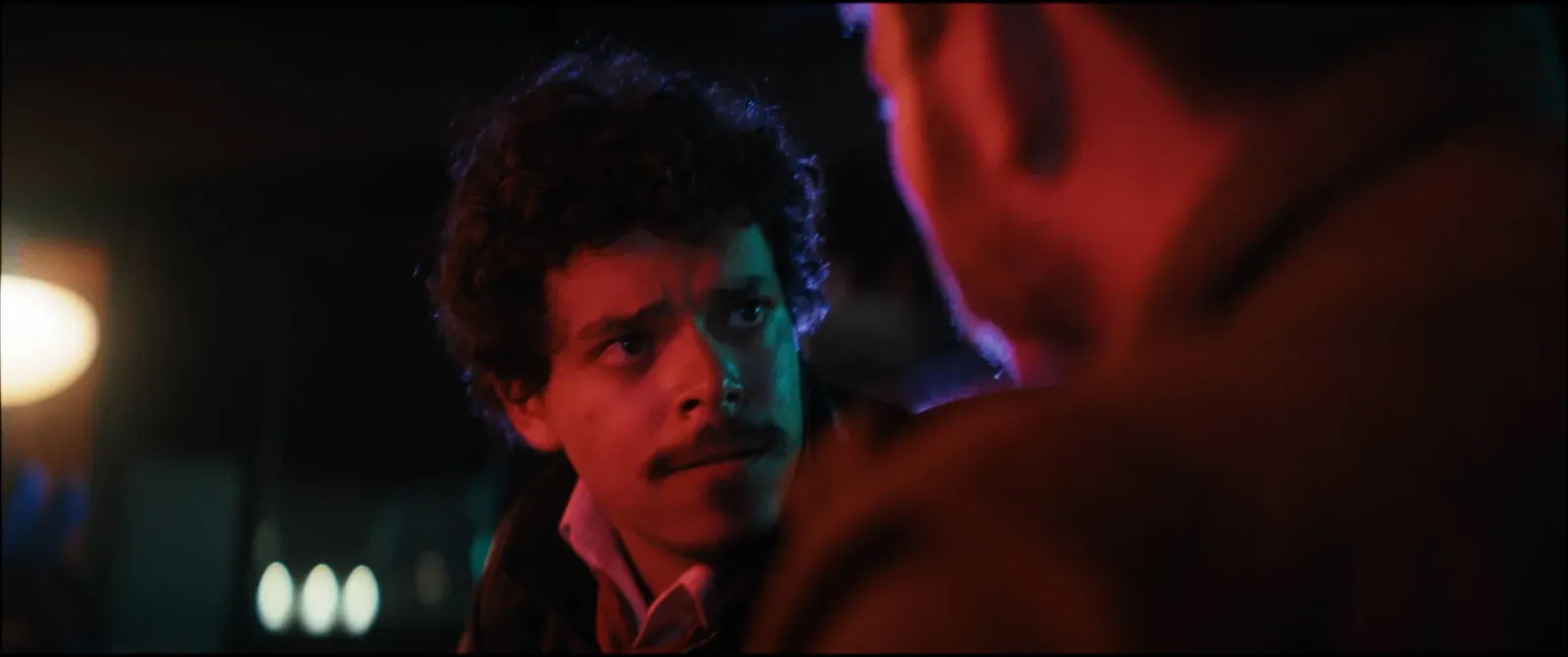
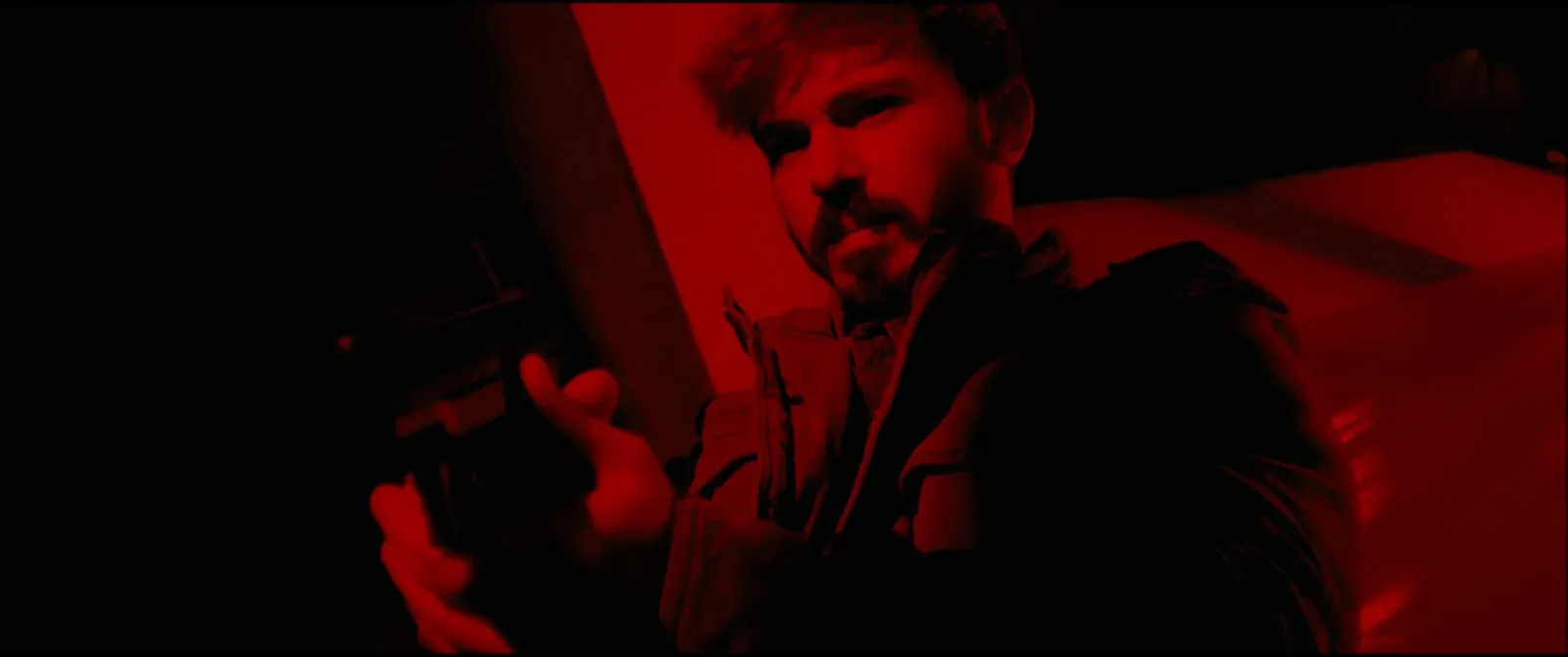
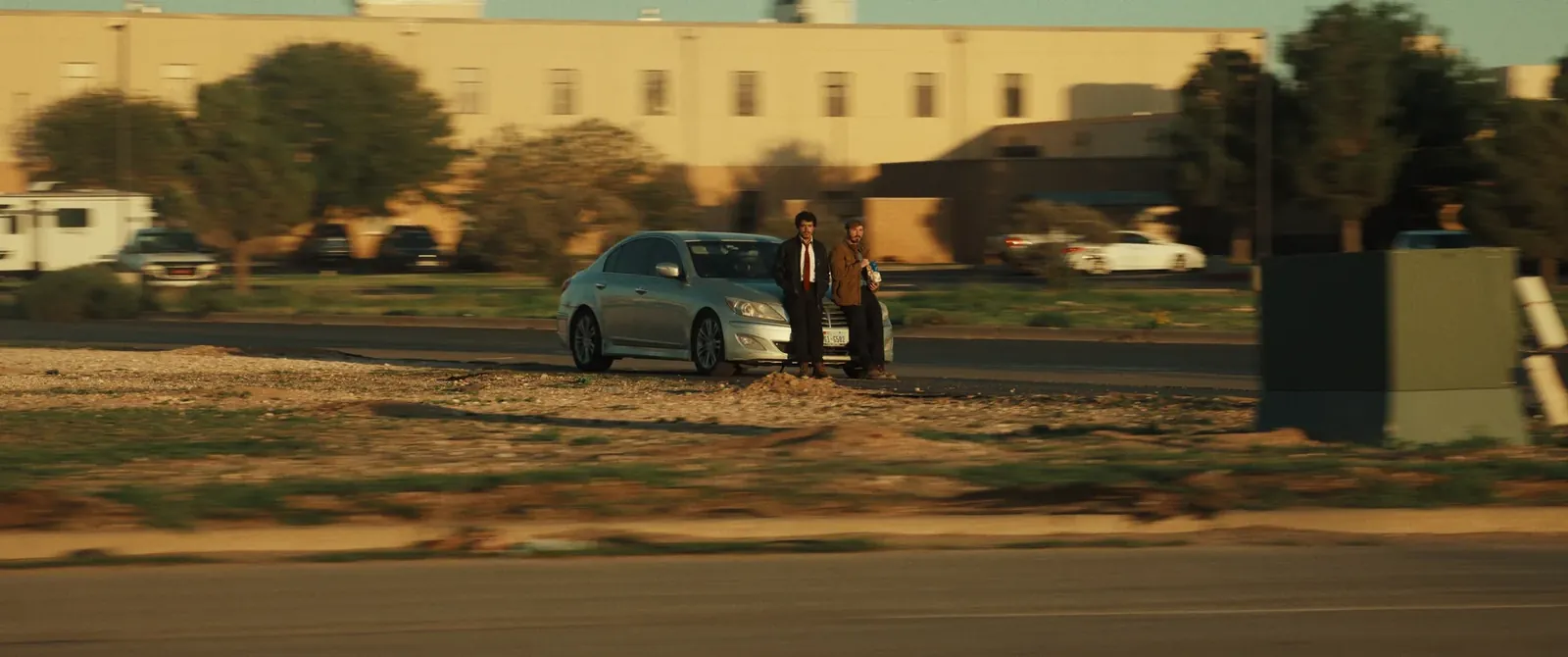
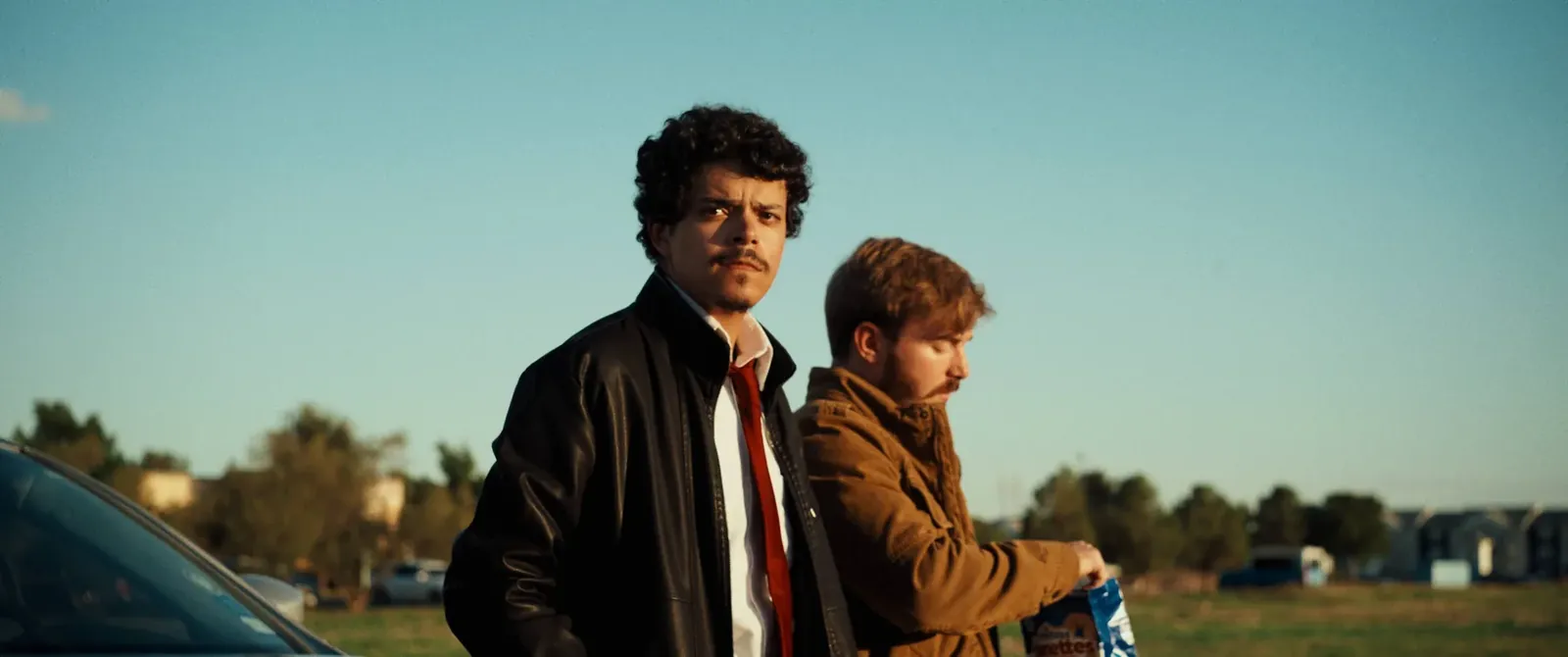
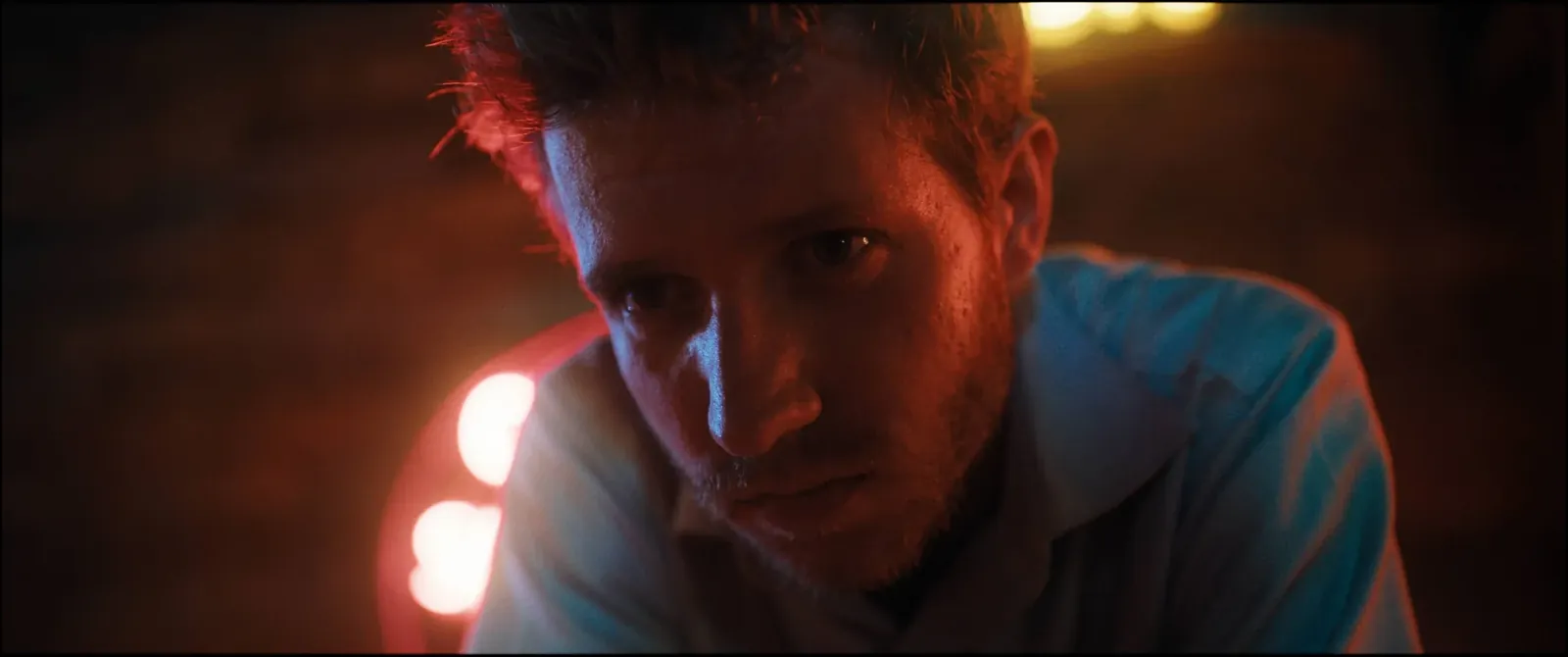
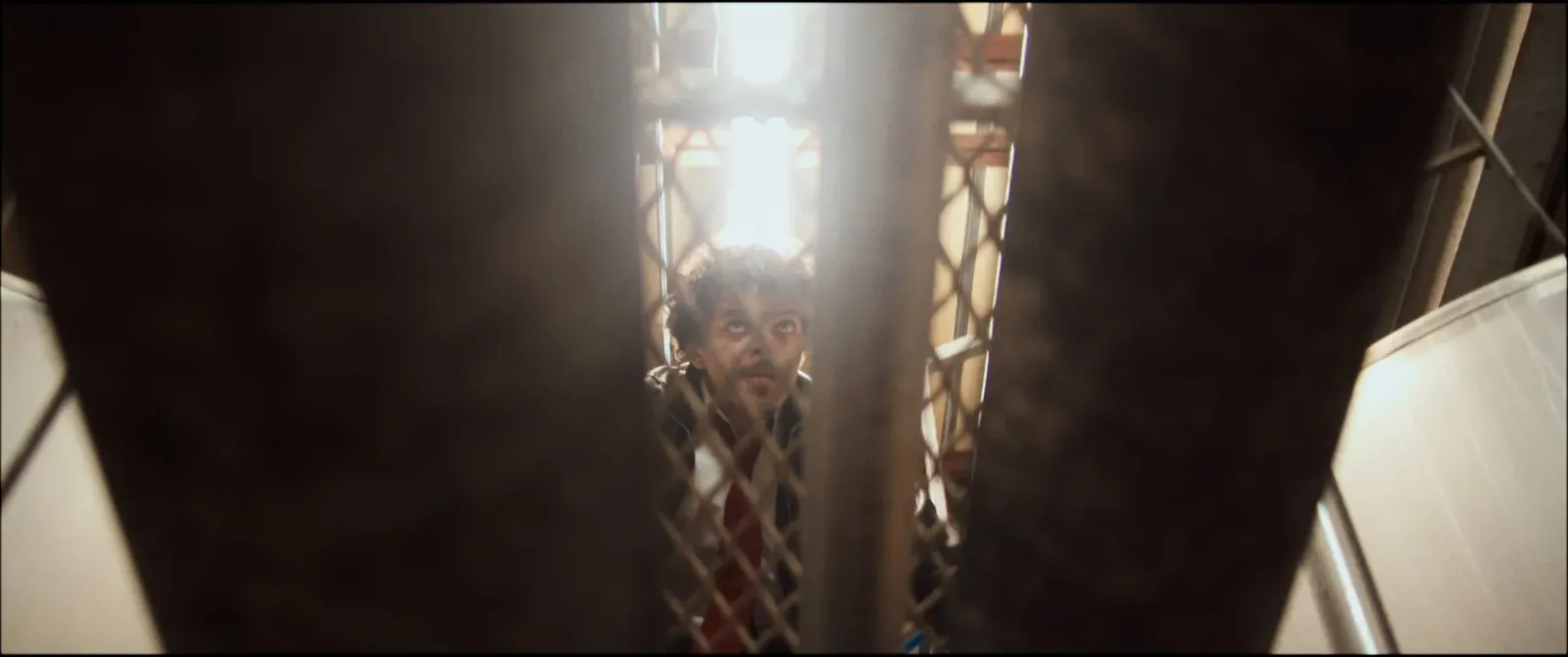
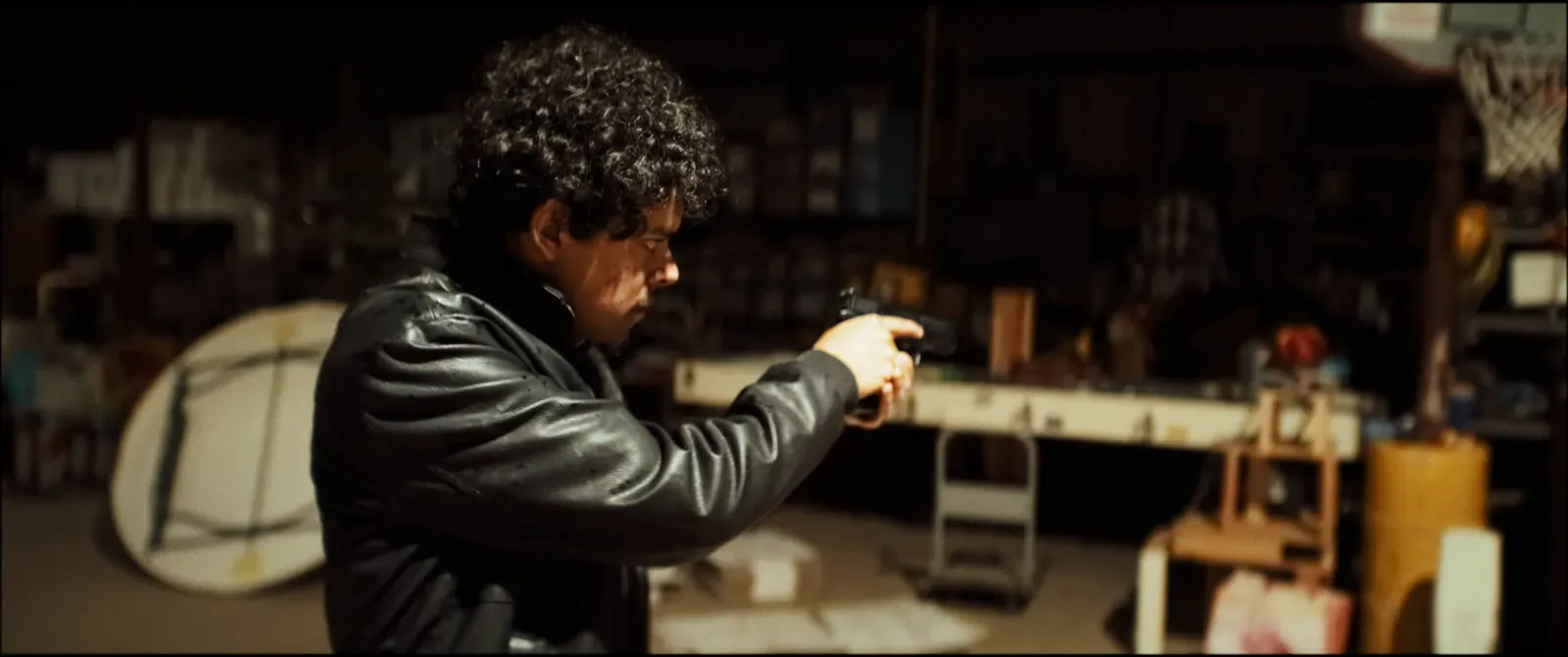
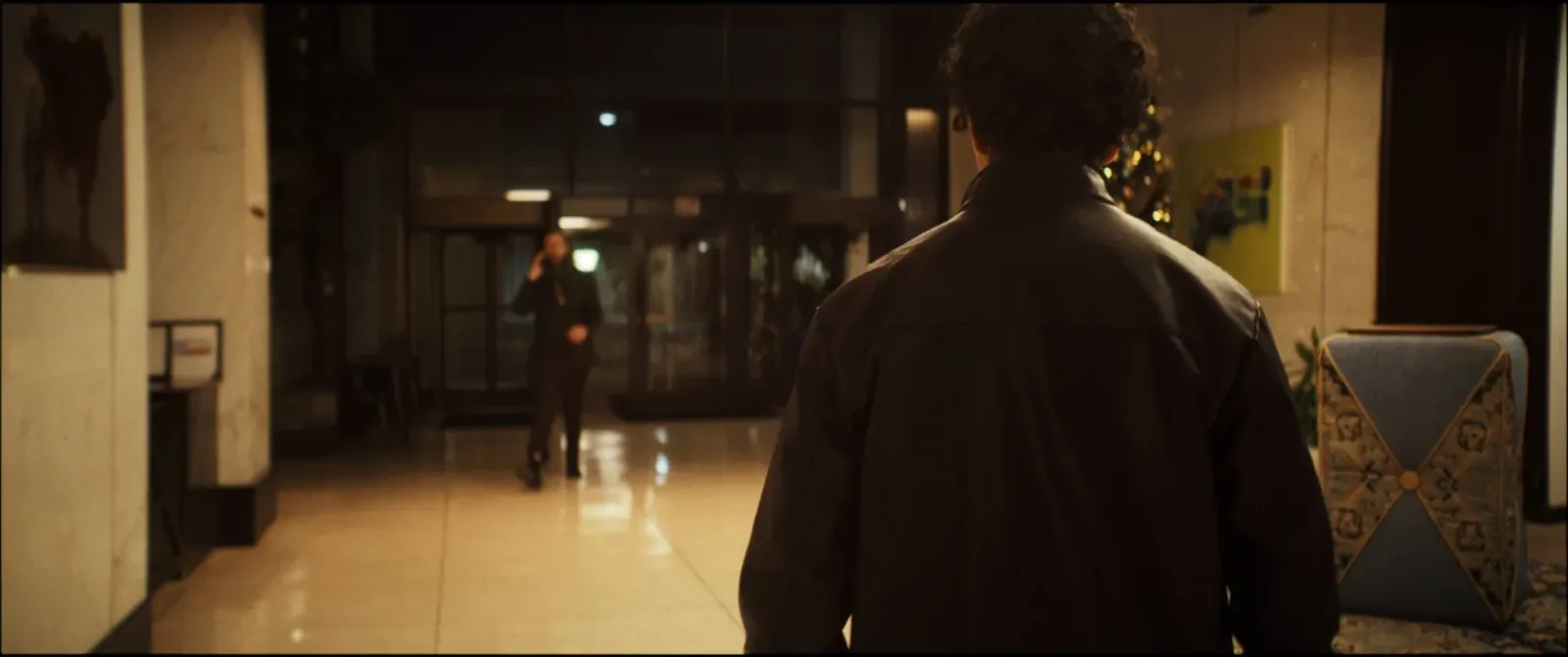
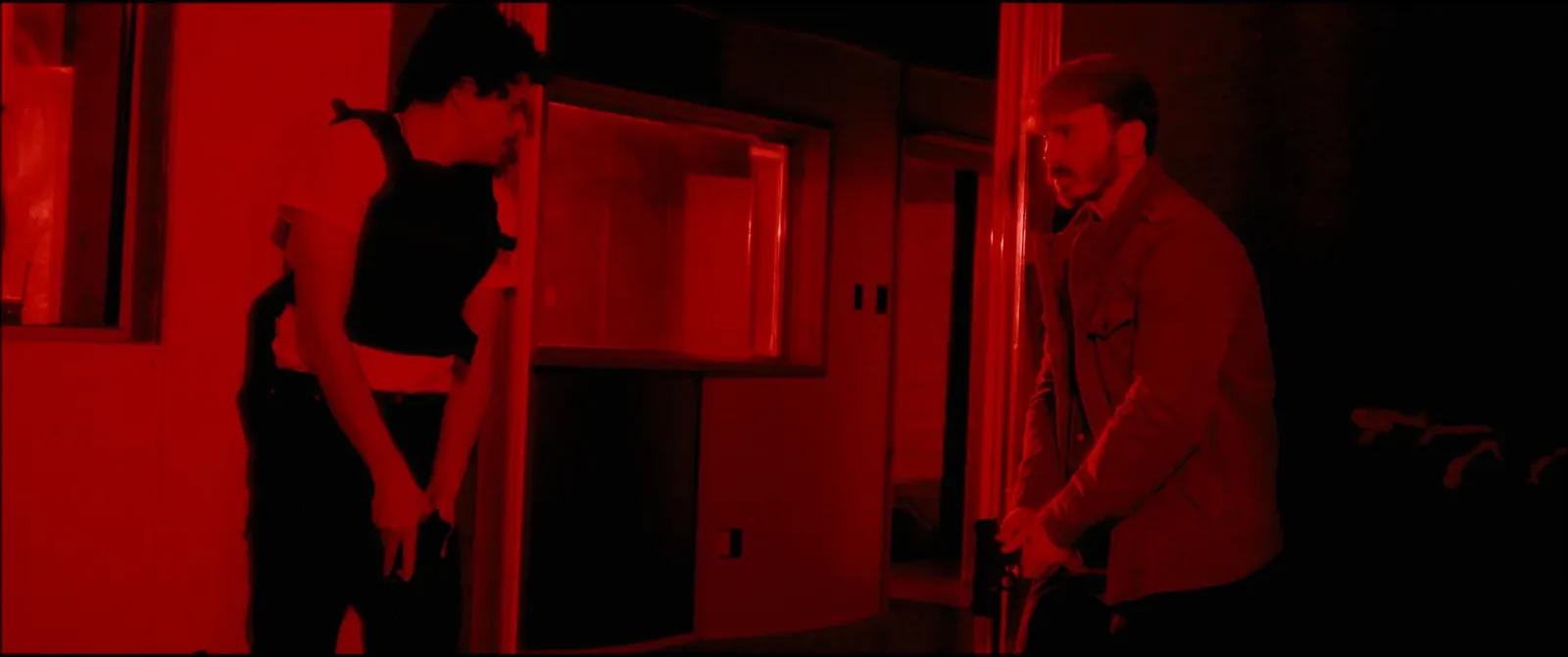
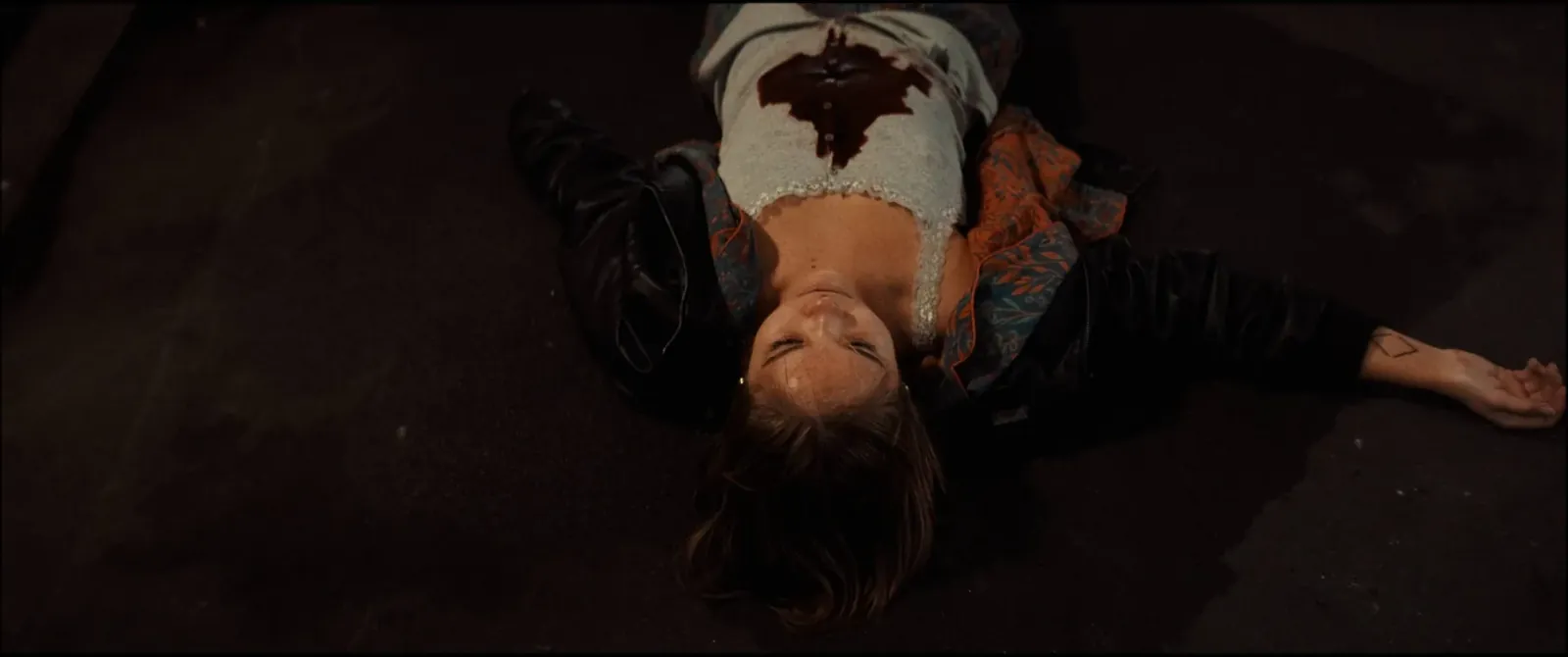
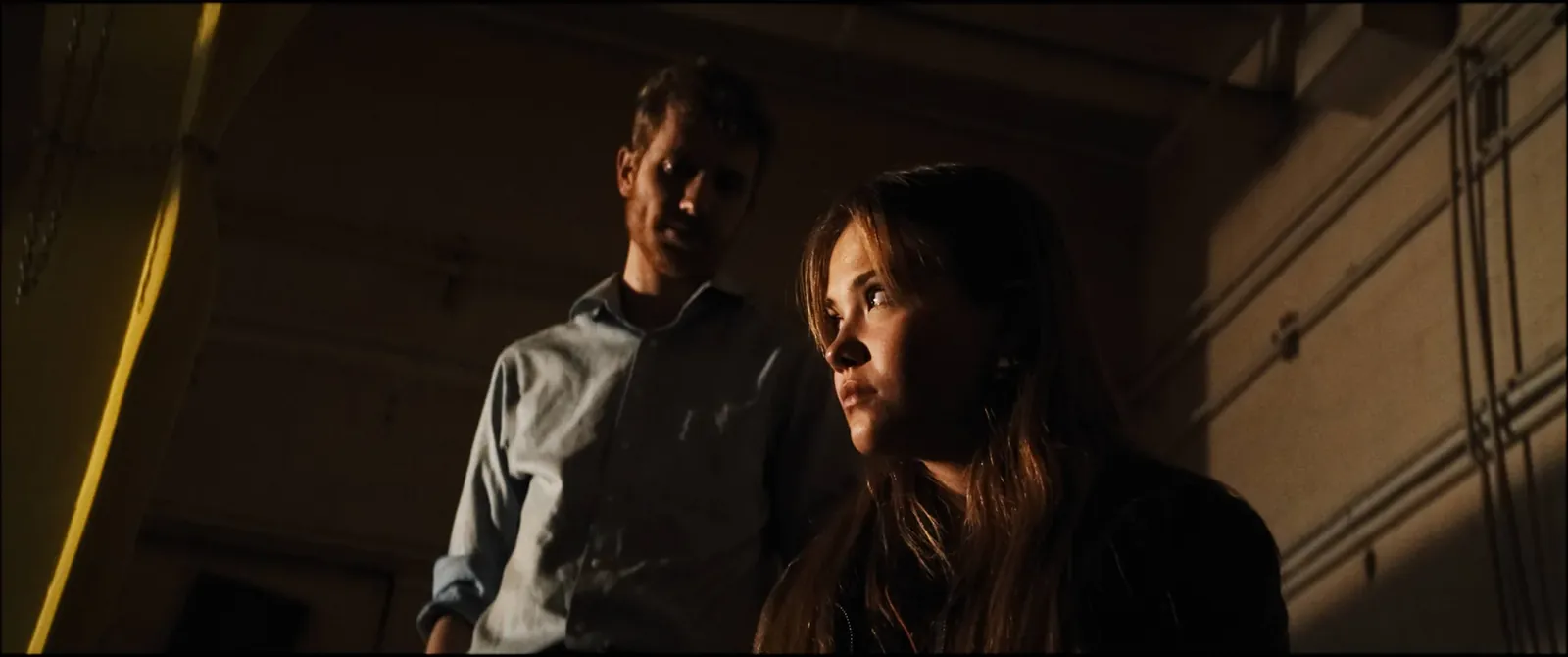
See all remaining Project Hairpin stills
Thanks for reading
The past few months taught me more about producing, managing people and solving technical problems under pressure than anything I have done before. Principal photography is done, and next comes the edit. Thank you for all the support along the way.
John Druzbik
Director · Producer · Director of Photography
johndruzbik.com · johnpatrickportrait@gmail.com